
A Humble Beginning: The Story of a Small Bean with a Big Heart
In the sprawling tapestry of human history, few foods have played as enduring and vital a role as the legume. From the sun-baked fields of ancient civilizations to the bustling kitchens of modern homes, beans, lentils, and peas have sustained communities, enriched cuisines, and quietly contributed to human health for millennia. Among these unassuming heroes, the red bean stands out – a vibrant, kidney-shaped marvel often relegated to the realm of comfort food, simmering gently in a Sunday stew or forming the hearty base of a chili. Yet, beneath its modest exterior lies a nutritional powerhouse, a tiny marvel whose story intertwines with our quest for a longer, healthier life, particularly in the battle against one of the modern world’s most insidious health threats: high cholesterol.
For generations, the wisdom of eating beans was passed down through families, a simple truth woven into the fabric of daily meals. But as scientific understanding advanced, researchers began to peel back the layers of this ancient wisdom, seeking to understand why these foods were so beneficial. Could something as simple and affordable as a red bean truly hold the key to safeguarding our hearts, particularly by taming the rogue lipids that clog our arteries? The answer, as we shall uncover, is a resounding yes, and the story of how science arrived at this conclusion is as compelling as the journey of the bean itself.
This is not just an article; it’s a narrative, a deep dive into the scientific, historical, and culinary journey of the red bean, exploring its profound impact on cholesterol levels and overall cardiovascular well-being. For the knowledgeable reader, eager to understand the intricate mechanisms and broader implications, let us embark on this exploration of the humble, yet mighty, heart-healthy legume.
The Silent Scourge: Understanding Cholesterol and Its Threat
Before we delve into the red bean’s heroism, it’s crucial to understand the antagonist: cholesterol. Often demonized, cholesterol is, in fact, essential for life. This waxy, fat-like substance is produced by the liver and is vital for building healthy cells, manufacturing hormones, and producing vitamin D. The problem arises when there’s too much of the wrong kind.
We primarily talk about two types of cholesterol:
- Low-Density Lipoprotein (LDL) Cholesterol: Often dubbed "bad" cholesterol, LDL transports cholesterol particles throughout your body. If too much LDL circulates, it can build up in the walls of your arteries, making them hard and narrow (a process called atherosclerosis). This narrowing restricts blood flow, significantly increasing the risk of heart attacks, strokes, and peripheral artery disease.
- High-Density Lipoprotein (HDL) Cholesterol: Known as "good" cholesterol, HDL picks up excess cholesterol and carries it back to your liver for removal from the body. Higher HDL levels are generally protective.
- Triglycerides: While not cholesterol, these are another type of fat in your blood. High triglyceride levels, often associated with high LDL and low HDL, also contribute to the hardening of arteries.
The global burden of cardiovascular disease (CVD) is staggering. It remains the leading cause of death worldwide, claiming millions of lives each year. Diet plays a pivotal role in this crisis, with high intake of saturated and trans fats, processed foods, and refined sugars contributing to elevated cholesterol levels. For decades, medical science has sought effective dietary interventions to combat this silent epidemic, and time and again, natural, whole foods emerge as the most potent allies. Among them, legumes like the red bean have consistently proven their mettle.
Enter the Legume: A Nutritional Powerhouse
Legumes are the fruits or seeds of the Fabaceae (or Leguminosae) family, a vast group of plants that includes beans, lentils, peas, chickpeas, soybeans, and peanuts. They are unique in their ability to fix nitrogen from the atmosphere into the soil, enriching it and making them incredibly sustainable crops. But their environmental benefits are just a prelude to their nutritional prowess.
For centuries, legumes have been a cornerstone of diets across the globe, especially in regions where meat was scarce or expensive. They are celebrated for:
- High Protein Content: A fantastic plant-based protein source, crucial for muscle repair, enzyme production, and satiety.
- Complex Carbohydrates: Provide sustained energy release, preventing blood sugar spikes and crashes.
- Abundant Dietary Fiber: Both soluble and insoluble, which are critical for digestive health and, as we’ll see, cholesterol management.
- Rich in Vitamins and Minerals: Including folate, iron, magnesium, potassium, zinc, and B vitamins.
- Phytochemicals and Antioxidants: Plant compounds that protect cells from damage and reduce inflammation.
- Low in Fat (especially saturated fat) and Cholesterol-Free: A stark contrast to many animal protein sources.
This impressive nutritional profile positions legumes as essential components of any heart-healthy diet. And among them, the vibrant red bean holds a special, often underestimated, place.
Focusing on Red Beans: A Deep Dive into a Ruby Gem
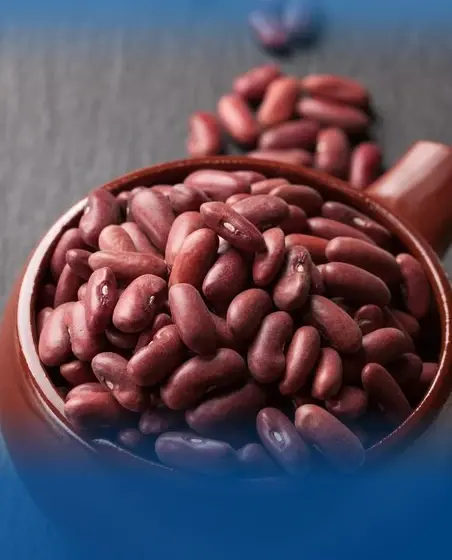
The red bean, often interchangeably referred to as the kidney bean (though kidney beans are generally larger and more kidney-shaped, red beans can encompass a slightly broader category including small red beans), boasts a distinguished lineage. Native to the Americas, they were a staple food for indigenous peoples for thousands of years before making their way across the Atlantic. Today, they are celebrated in diverse cuisines: from the soulful red beans and rice of Louisiana, a dish steeped in history and tradition, to the hearty chilis of the American Southwest, the vibrant feijoadas of Brazil, and the robust stews of the Caribbean and Latin America.
Their specific nutritional breakdown reveals why they are such a powerful ally against high cholesterol: