
The modern world, for all its dazzling advancements, often presents us with a paradoxical challenge: an abundance of food that, rather than nourishing, subtly undermines our foundational health. We chase quick fixes, energy drinks, and refined carbohydrates, only to find ourselves on a relentless roller coaster of energy spikes and crashes. This familiar narrative, often dismissed as a mere inconvenience, conceals a far more insidious threat: the chronic dysregulation of blood sugar, a silent epidemic that paves the way for a cascade of metabolic disorders, most notably type 2 diabetes, cardiovascular disease, and a pervasive sense of fatigue and mental fog.
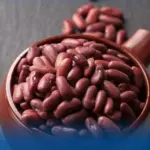
But what if the antidote to this modern affliction lay not in the latest pharmaceutical breakthrough or the most exotic superfood, but in a humble, time-honored staple that has sustained civilizations for millennia? What if the secret to achieving "steady energy" – a state of consistent vitality, mental clarity, and metabolic resilience – was nestled within the unassuming crimson shell of the red bean? This is not merely a dietary recommendation; it is a story, a narrative of physiological wisdom, historical sustenance, and a profound re-connection with food as medicine.
The Silent Epidemic: Unmasking the Blood Sugar Roller Coaster
Before we delve into the heroic qualities of the red bean, it’s crucial to understand the antagonist: uncontrolled blood sugar spikes. Imagine your body’s energy system as a delicate ecosystem. When you consume carbohydrates, particularly refined ones, they are rapidly broken down into glucose, which floods your bloodstream. In response, your pancreas releases insulin, a crucial hormone tasked with ushering this glucose into your cells for energy or storage. This is a perfectly natural and necessary process.
However, the modern diet, laden with processed foods, sugary drinks, and refined grains, often triggers an exaggerated version of this response. A sudden surge of glucose necessitates an equally rapid and substantial release of insulin. While this initial spike might provide a fleeting burst of energy, it’s often followed by a precipitous drop, as insulin efficiently clears the glucose, sometimes overshooting the mark. This "blood sugar crash" leaves us feeling sluggish, irritable, unable to concentrate, and often craving more quick-fix carbohydrates, perpetuating the cycle.
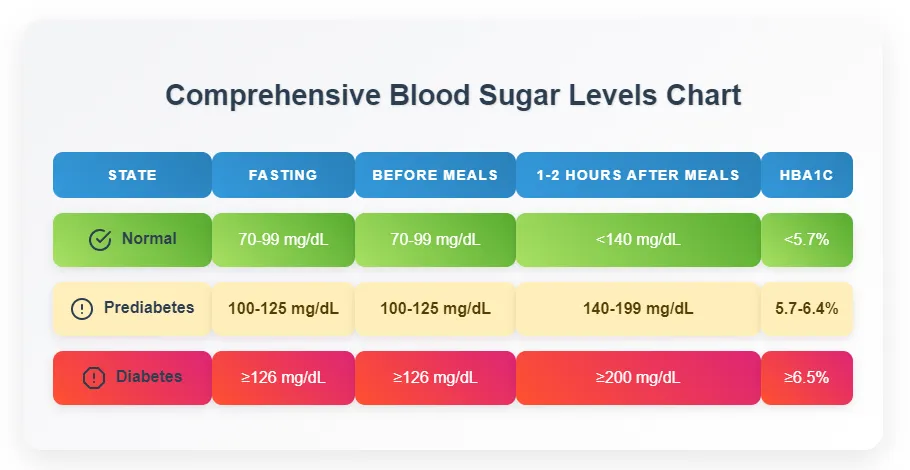
Over time, this relentless cycle of spikes and crashes wears down the system. The cells, constantly bombarded by insulin, begin to lose their sensitivity to it – a phenomenon known as insulin resistance. The pancreas, working overtime to produce more and more insulin to compensate, eventually becomes exhausted. This metabolic breakdown is the precursor to pre-diabetes and, ultimately, type 2 diabetes, a condition that impacts millions globally and brings with it a host of severe complications, from kidney disease and nerve damage to vision loss and increased risk of heart attack and stroke. Beyond the severe health outcomes, the daily experience of blood sugar dysregulation manifests as chronic fatigue, mood swings, difficulty losing weight, and a general feeling of being unwell. It steals our vitality, dulls our cognitive edge, and diminishes our quality of life. The story of modern health is, in many ways, the story of our struggle to tame the wild fluctuations of our internal glucose levels.
Enter the Humble Red Bean: A Nutritional Powerhouse
It is against this backdrop of metabolic distress that the red bean emerges as a beacon of hope. Often overlooked in favor of more glamorous superfoods, the red bean (a general term encompassing varieties like kidney beans, adzuki beans, and small red beans) is a nutritional titan, a testament to nature’s elegant design. Its rich, earthy flavor and satisfying texture are merely the sensory invitations to a profound biological benefit.
At its core, the red bean is a dense package of macronutrients and micronutrients meticulously arranged to promote steady energy and robust health.
- Complex Carbohydrates: Unlike their refined counterparts, the carbohydrates in red beans are complex. This means they are strung together in long, intricate chains that take a significant amount of time and digestive effort to break down into glucose. This slow, gradual release of sugar into the bloodstream is the first key to preventing spikes.
- Fiber, the Unsung Hero: This is where red beans truly shine. They are an exceptional source of dietary fiber, boasting both soluble and insoluble types.
- Soluble Fiber: This type dissolves in water to form a gel-like substance in the digestive tract. This gel acts like a benevolent traffic cop, slowing down the absorption of glucose, moderating its entry into the bloodstream. It also helps lower LDL ("bad") cholesterol and feeds beneficial gut bacteria.
- Insoluble Fiber: This type adds bulk to stool, promoting regular bowel movements and aiding in digestive health. While not directly involved in glucose absorption in the same way as soluble fiber, a healthy gut is intrinsically linked to overall metabolic health.
- Protein Power: Red beans are a significant source of plant-based protein. Protein, alongside fiber, is instrumental in satiety and blood sugar control. It slows down digestion, further moderating glucose absorption, and helps stabilize blood sugar levels by reducing the overall glycemic load of a meal. For those seeking to reduce animal product consumption, red beans offer a complete and satisfying protein alternative when combined with grains.
- Resistant Starch: This is a particularly fascinating component of red beans, especially when cooked and then cooled. Resistant starch, as its name suggests, resists digestion in the small intestine and instead travels to the large intestine where it acts as a prebiotic, fermenting and feeding the beneficial bacteria in your gut. This fermentation produces short-chain fatty acids (SCFAs) like butyrate, which have profound positive effects on gut health, immune function, and even insulin sensitivity throughout the body. The story of resistant starch is a story of nurturing our internal microbiome, which in turn nurtures our metabolic health.
- Micronutrient Marvels: Beyond the macronutrients, red beans are a treasure trove of essential vitamins and minerals. They are rich in folate, crucial for cell growth and function; magnesium, vital for over 300 enzymatic reactions, including glucose metabolism and muscle function; potassium, important for blood pressure regulation; iron, essential for oxygen transport; and a variety of B vitamins, which play key roles in energy production. They also contain antioxidants, which combat oxidative stress and inflammation, silent drivers of many chronic diseases.
The combined synergy of these components makes the red bean not just a food, but a finely tuned instrument for metabolic harmony.
The Science of Steady: How Red Beans Work Their Magic
To truly appreciate the red bean, we must delve deeper into the intricate dance it performs within our physiology, orchestrating a symphony of steady energy rather than a jarring solo. The mechanisms by which red beans manage blood sugar spikes are multifaceted and scientifically robust.
1. The Glycemic Index (GI) and Glycemic Load (GL) Advantage:
The Glycemic Index (GI) measures how quickly a carbohydrate-containing food raises blood glucose. Foods with a high GI cause rapid spikes, while low GI foods lead to a more gradual rise. Red beans typically have a low GI. However, the Glycemic Load (GL) provides an even more accurate picture, as it considers both the GI and the amount of carbohydrate in a serving. Even with a decent amount of carbohydrates, the sheer volume of fiber and protein in red beans significantly lowers their overall GL, making them a champion of blood sugar stability. This means that a meal incorporating red beans will deliver glucose to your system like a steady, flowing river, rather than a gushing waterfall.
2. Fiber’s Role: The Viscous Barrier and the Gut Symphony:
The soluble fiber in red beans is a key player. When it mixes with water in the stomach and small intestine, it forms a viscous gel. This gel literally slows down the movement of food through the digestive tract. Imagine trying to drive through a thick fog; everything slows down. Similarly, this gel matrix impedes the rapid enzymatic breakdown of starches into simple sugars and delays the absorption of those sugars into the bloodstream. This extended absorption period means that glucose enters the blood over a longer duration, preventing the sharp, sudden peak that triggers an excessive insulin response.
Furthermore, both soluble and insoluble fibers are crucial for nurturing a healthy gut microbiome. The gut microbiota, a bustling community of trillions of microorganisms residing in our intestines, plays a pivotal role in metabolism. When fiber reaches the colon, it’s fermented by these beneficial bacteria. This fermentation process produces short-chain fatty acids (SCFAs) such as acetate, propionate, and butyrate. Butyrate, in particular, is a powerful compound. It serves as the primary energy source for colon cells, strengthens the intestinal barrier, reduces inflammation, and has been shown to improve insulin sensitivity in peripheral tissues. Thus, the fiber in red beans isn’t just a physical barrier; it’s a biochemical catalyst, fostering an internal environment that actively supports stable blood sugar.
3. Resistant Starch: The Stealth Glucose Manager: