
In the sprawling, complex kingdom within each of us, known as the human gut, a silent revolution is often underway. It is a realm teeming with trillions of inhabitants – a diverse microbial society that dictates not just our digestion, but our immunity, our mood, our metabolic health, and even our very longevity. For too long, this vital inner ecosystem has been neglected, subjected to the ravages of modern diets and lifestyles, leading to an insidious decline in health. But in this era of imbalance, a humble, crimson champion emerges from the earth, bearing the wisdom of ages and the power to restore harmony: the Red Bean, the undisputed Fiber King.
This is not merely an article about a legume; it is the chronicle of a monarch, ruling over the microscopic denizens of our digestive tract, orchestrating a symphony of health that resonates throughout the entire body. For the knowledgeable seeker of wellness, understanding the dominion of the Fiber King is to unlock one of nature’s most profound secrets for a thriving inner kingdom.
Chapter 1: The Kingdom Under Siege – Understanding the Modern Gut
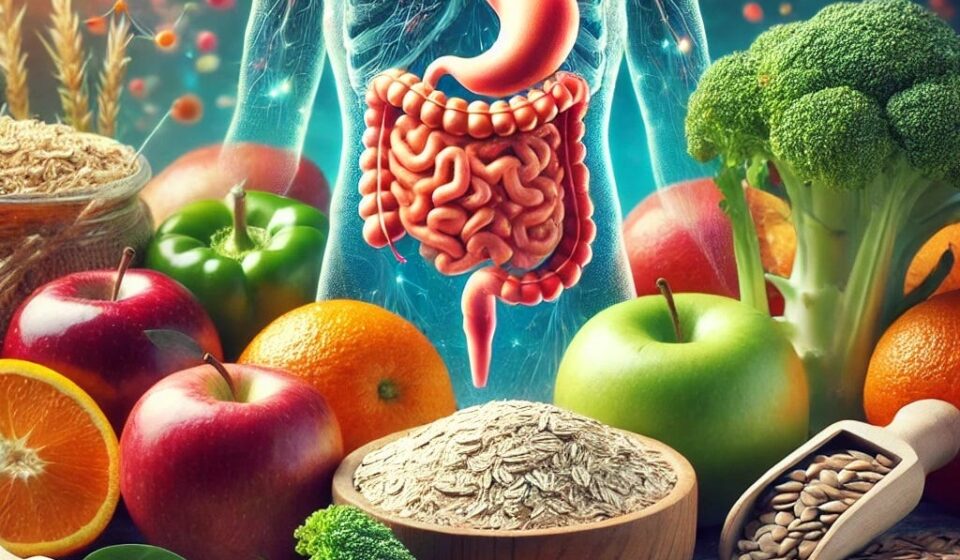
Before we crown our king, let us first survey the land he seeks to govern. The human gut, a magnificent two-story structure spanning nearly 30 feet, is far more than a mere tube for processing food. It is a sophisticated biochemical laboratory, a crucial immune training ground, and a second brain, constantly communicating with its cranial counterpart. Its walls, lined with a single layer of epithelial cells, represent a critical barrier between our internal sterile environment and the external world we ingest.
Within this intricate ecosystem resides the gut microbiota, an astonishing community of bacteria, archaea, fungi, and viruses, outnumbering our own cells ten to one. These microscopic allies perform myriad functions: they extract nutrients our own enzymes cannot, synthesize essential vitamins, educate our immune system, and protect us from pathogens. In a balanced state, this community thrives in a state of eubiosis, a harmonious equilibrium where diverse beneficial species flourish.
However, the modern world has launched a relentless assault on this delicate balance. The Western diet, characterized by its abundance of processed foods, refined sugars, unhealthy fats, and a stark deficit of dietary fiber, starves our beneficial microbes. Chronic stress, sedentary lifestyles, ubiquitous environmental toxins, and the indiscriminate use of antibiotics further decimate microbial diversity and integrity. The result is often dysbiosis – an imbalance where pathogenic or less beneficial species gain dominance, leading to a cascade of adverse effects:
- Compromised Gut Barrier: The tight junctions between epithelial cells weaken, leading to increased intestinal permeability, colloquially known as "leaky gut." This allows undigested food particles, toxins, and microbes to enter the bloodstream, triggering systemic inflammation.
- Chronic Inflammation: A low-grade, persistent inflammatory state in the gut can spread throughout the body, contributing to autoimmune diseases, metabolic disorders, cardiovascular disease, and neurodegenerative conditions.
- Nutrient Malabsorption: A dysfunctional microbiome struggles to extract and synthesize vital nutrients, leading to deficiencies despite adequate intake.
- Metabolic Dysfunction: Dysbiosis is intimately linked with insulin resistance, type 2 diabetes, obesity, and non-alcoholic fatty liver disease.
- Mental Health Disorders: The gut-brain axis, a bidirectional communication pathway, means that an unhealthy gut can contribute to anxiety, depression, and cognitive decline.
In this landscape of microbial disarray and systemic vulnerability, the need for a powerful, benevolent ruler becomes acutely apparent. Enter the Fiber King.
Chapter 2: The King’s Coronation – Unveiling the Nutritional Majesty of Red Beans
The Red Bean (Phaseolus vulgaris), often relegated to a supporting role in chili or rice dishes, possesses a nutritional profile befitting its royal status. Far from being a mere source of carbohydrates, it is a meticulously crafted package of gut-fortifying compounds, a veritable treasure chest of health-promoting constituents.
At the heart of its power lies its exceptional fiber content, but the King’s influence extends far beyond this single attribute. Let us unveil the full majesty of its nutritional court:
- Dietary Fiber: This is the crown jewel, present in both soluble and insoluble forms, which we will delve into in greater detail. A single cup of cooked red beans can provide upwards of 15 grams of fiber, a significant portion of the recommended daily intake (25-38 grams).
- Resistant Starch (RS): A specialized form of carbohydrate that resists digestion in the small intestine, acting as a potent prebiotic. Red beans are particularly rich in RS, especially when cooked and cooled.
- Plant-Based Protein: A complete protein source when combined with grains, providing essential amino acids crucial for tissue repair, enzyme synthesis, and satiety. Red beans offer about 15 grams of protein per cup.
- Vitamins and Minerals:
- Folate (Vitamin B9): Critical for DNA synthesis and repair, red blood cell formation, and methylation processes essential for overall health, including gut integrity.
- Thiamine (Vitamin B1): Important for energy metabolism and nervous system function, impacting the gut-brain axis.
- Iron: Essential for oxygen transport and energy production. Plant-based iron (non-heme) is enhanced by Vitamin C intake.
- Magnesium: Involved in over 300 enzymatic reactions, crucial for muscle function (including intestinal peristalsis), nerve transmission, and bone health.
- Potassium: An electrolyte vital for fluid balance, nerve signals, and muscle contractions.
- Zinc: An immune modulator and essential for gut barrier function and wound healing.