
In the annals of fitness and nutrition, a narrative has long dominated the discourse around muscle building: the iron-clad decree of animal protein. For decades, the image of a bodybuilder, steak knife in hand, became synonymous with strength and hypertrophy. We were told, implicitly and explicitly, that the very essence of muscle was forged in the crucible of animal flesh, that without it, one was destined to remain perpetually scrawny, devoid of true power. This dogma, ingrained deeply into the collective consciousness, cast a long shadow, obscuring the potent truths that lay dormant in simpler, more ancient sources of sustenance.
But what if the secret to robust, resilient muscle, to sustained energy and unparalleled recovery, didn’t reside solely in the hallowed halls of the butcher shop? What if, all along, a humble, crimson jewel, often relegated to the side dish or the chili pot, held the key to unlocking a plant-based paradigm of strength? This is the story of the red bean, an unassuming titan of nutrition, poised to redefine our understanding of muscle genesis and athletic prowess. This is the tale of how a legume, dismissed by many, is now stepping into the spotlight, proving that the most profound strength can be cultivated from the earth itself. For the discerning mind, the knowledgeable seeker of truth beyond the superficial, the red bean offers not just sustenance, but a masterclass in holistic human performance.
Deconstructing the Muscle-Building Myth: The Protein Paradigm Shift
To truly appreciate the red bean, we must first dismantle the prevailing myth that animal protein holds exclusive dominion over muscle synthesis. For years, the concept of "complete protein" loomed large, a gatekeeper seemingly preventing plant-based foods from entering the muscle-building arena. The narrative was simple: animal proteins contained all nine essential amino acids (EAAs) in sufficient quantities, while plant proteins were "incomplete," lacking one or more of these crucial building blocks. This oversimplified view, however, has been largely debunked by modern nutritional science, though its ghost still haunts many dietary discussions.
Let’s delve deeper. Essential amino acids are indeed indispensable; our bodies cannot synthesize them, and thus, they must be obtained through diet. Non-essential amino acids, conversely, can be produced by the body. The "completeness" argument hinged on the idea that if a protein source lacked even one EAA, it was inherently inferior. What this perspective failed to account for, however, is the concept of the amino acid pool. Our bodies maintain a circulating pool of free amino acids, derived from recent meals and the breakdown of existing proteins. When we consume various plant-based foods throughout the day, even if individual foods are "limiting" in one or two EAAs, the body efficiently draws from this pool to assemble complete proteins as needed. There’s no urgent requirement for every single meal to be a "complete protein" – the body is far more sophisticated than that.
Moreover, the focus on protein quantity often overshadowed the importance of quality and the broader nutritional matrix. Animal proteins, while rich in EAAs, often come bundled with saturated fats, cholesterol, and pro-inflammatory compounds. Plant-based proteins, on the other hand, offer a wealth of synergistic nutrients: fiber, antioxidants, vitamins, minerals, and phytonutrients, all of which play crucial, often overlooked, roles in muscle health, recovery, and overall physiological function. These compounds contribute to reduced inflammation, improved gut health, enhanced nutrient absorption, and better hormonal balance – all foundational elements for optimal muscle growth and performance that extend far beyond a simple amino acid count. The paradigm shift, then, is not merely about finding alternative protein sources; it’s about embracing a more holistic, nutrient-dense approach to fueling the body for strength and vitality. The red bean, as we shall see, is a prime exemplar of this holistic advantage.
The Red Bean Revelation: A Nutritional Powerhouse
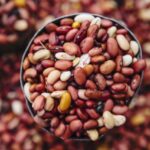
Beneath its unassuming exterior, the red bean (specifically, the kidney bean, a prominent variety of Phaseolus vulgaris) is a nutritional marvel, a microcosm of everything an athlete needs to build and sustain a powerful physique. Its vibrant crimson hue hints at the deep well of nutrients it contains, a stark contrast to its often-underestimated status in the dietary hierarchy.
The Macroscopic View: A Symphony of Macronutrients
At first glance, the macronutrient profile of red beans is compelling. A single cup of cooked red beans delivers approximately 15-17 grams of protein. To put this into perspective, this is comparable to about 2.5 large eggs or a 3-ounce serving of chicken, but with a vastly superior accompanying nutritional package. This isn’t just protein; it’s protein enveloped in a matrix of other vital components.
Crucially, red beans are an exceptional source of complex carbohydrates. With roughly 40-45 grams per cup, these are not the simple, rapidly absorbed sugars that cause blood sugar spikes. Instead, they are slow-digesting starches that provide a sustained release of energy, essential for fueling prolonged workouts and, perhaps even more importantly, for replenishing muscle glycogen stores post-exercise. Glycogen, the stored form of glucose in muscles and liver, is the primary fuel source during high-intensity activity. Without adequate carbohydrate intake, the body can turn to muscle protein for energy, leading to catabolism – the very antithesis of muscle building. Red beans offer a dual advantage: protein for repair and growth, and complex carbs for the energy to drive that process.
But perhaps the most celebrated macronutrient in red beans, beyond protein and carbs, is fiber. A single cup boasts an impressive 13-15 grams of dietary fiber, a figure that often exceeds half of the recommended daily intake for adults. This isn’t just about digestive regularity; fiber plays a multifaceted role in muscle building and overall health. Soluble fiber helps regulate blood sugar, preventing insulin spikes and crashes that can hinder energy levels and fat metabolism. Insoluble fiber adds bulk, promoting satiety and aiding in toxin elimination. More profoundly, fiber acts as a prebiotic, feeding the beneficial bacteria in our gut microbiome. A healthy gut microbiome is fundamental to nutrient absorption, immune function, and even the synthesis of certain vitamins – all critical factors that indirectly but powerfully support muscle growth and recovery.
The Microscopic View: A Treasure Trove of Micronutrients
Beyond the macronutrients, red beans are a dense repository of essential vitamins and minerals, each playing a specific, vital role in physiological processes relevant to muscle development:
- Iron: Crucial for oxygen transport via hemoglobin in red blood cells. Insufficient iron leads to fatigue and reduced exercise performance, directly hindering muscle work capacity. The non-heme iron in red beans is best absorbed when paired with Vitamin C.
- Magnesium: Involved in over 300 enzymatic reactions, including ATP (energy) production, muscle contraction, and nerve function. It helps regulate electrolyte balance and can reduce muscle cramps and soreness.
- Potassium: An essential electrolyte that works with sodium to maintain fluid balance, nerve signals, and muscle contractions. Crucial for preventing dehydration and supporting optimal muscle function.
- Folate (Vitamin B9): Vital for cell division and repair, including the repair of muscle tissues damaged during exercise. It’s also involved in amino acid metabolism.
- Zinc: An immune system booster and a cofactor in numerous enzymatic reactions. It plays a role in protein synthesis, cell growth, and even testosterone production, a key anabolic hormone.
- B Vitamins (Thiamine, Niacin, B6): Essential for energy metabolism, converting food into usable energy (ATP). They support nerve function and red blood cell formation.
The Amino Acid Profile of Red Beans: Addressing the "Limiting" Factor
For the knowledgeable audience, it’s important to address the specifics of the red bean’s amino acid profile. Like many legumes, red beans are rich in most essential amino acids, particularly lysine, which is often the limiting amino acid in grains. However, they are typically somewhat lower in methionine and cysteine, which are sulfur-containing amino acids.
This is where the concept of dietary complementarity becomes crucial and elegantly simple. By combining red beans with a grain like brown rice, corn, or quinoa, which are generally higher in methionine and cysteine, one creates a "complete protein" meal that provides all essential amino acids in sufficient quantities. This doesn’t need to happen in the same meal; as discussed, the body’s amino acid pool can draw from different sources consumed throughout the day. A classic dish like "red beans and rice" is not just culturally significant; it’s a nutritionally perfect example of plant-based protein complementarity, intuitively understood by generations long before modern science articulated it.
While the Protein Digestibility Corrected Amino Acid Score (PDCAAS) or the more modern Digestible Indispensable Amino Acid Score (DIAAS) for red beans might be slightly lower than for animal proteins when consumed in isolation, the context of a varied plant-based diet renders this distinction largely academic. The overall amino acid intake, coupled with the synergistic benefits of the bean’s entire nutritional package, more than compensates, providing a robust foundation for muscle growth and repair.
Red Beans in Action: The Mechanism of Muscle Growth and Repair
Understanding the nutritional composition of red beans is one thing; comprehending how these components translate into tangible muscle growth and enhanced athletic performance is another. It’s a symphony of metabolic processes, where each nutrient plays a critical role.
Protein Synthesis Explained: Building the Blocks