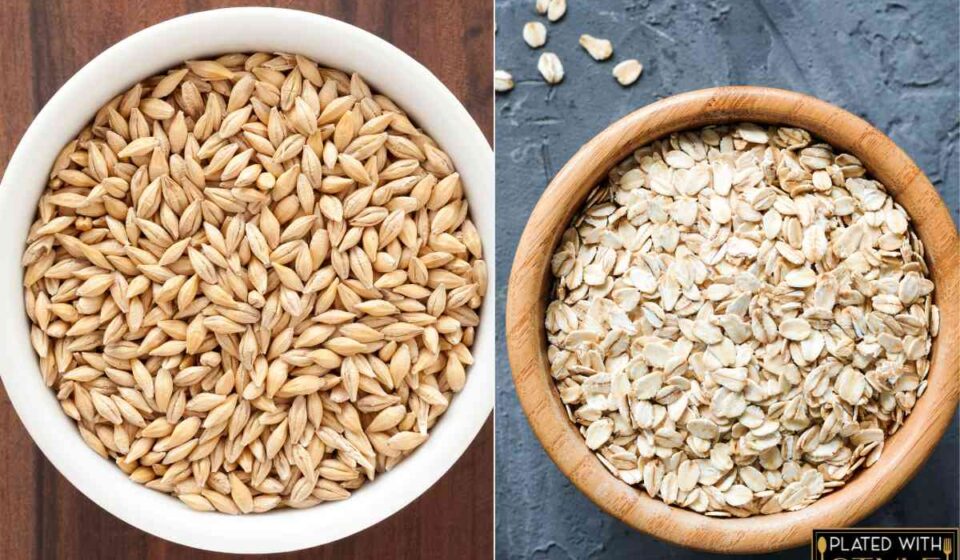
The Unsung Architect of Arterial Wellness: How Barley Quietly Outperforms Oats for Heart Health

In the grand pantry of whole grains, oats have long worn the crown as the undisputed monarch of heart health. Their creamy texture, comforting warmth, and a deluge of health claims have solidified their place in breakfast bowls and health-conscious diets worldwide. We’ve been told, and rightly so, that oats are good for us – a champion against cholesterol, a steady hand for blood sugar. Yet, beneath the shimmering spotlight of oat’s well-deserved fame, another grain has been quietly, diligently working, often outperforming its celebrated cousin in the intricate dance of cardiovascular protection. This is the story of barley, the unsung architect of arterial wellness, whose unique composition offers a more profound, multifaceted defense for the heart than many realize.
For centuries, barley has graced tables across the globe, from the hearty stews of Europe to the refreshing drinks of the Middle East, its resilience woven into the fabric of ancient civilizations. It’s a grain that has fueled armies, nourished families, and sustained cultures, yet in the modern narrative of health, it often plays second fiddle. This article aims to tell a different story – a story rooted in science, history, and a quiet revolution brewing in the world of nutrition, revealing how barley, through its distinct molecular architecture and comprehensive nutritional profile, often steps beyond oats in safeguarding our most vital organ.
Our journey will delve into the nuanced world of dietary fibers, exploring the quantity and, crucially, the quality of beta-glucans in both grains. We’ll venture beyond this celebrated soluble fiber, uncovering barley’s diverse fiber symphony that orchestrates a healthier gut and more stable metabolism. We’ll scrutinize their glycemic impact, examining how each grain influences our blood sugar and insulin response, a critical factor for long-term heart health. Furthermore, we’ll explore the often-overlooked arsenal of micronutrients and potent phytochemicals unique to barley, and finally, consider its profound influence on the enigmatic world of our gut microbiome – the unseen conductor of our internal orchestra. By the end, you may find yourself reconsidering your breakfast staple and inviting this quiet powerhouse into your daily regimen.
The Beta-Glucan Battle: Quantity, Quality, and Configuration
The cornerstone of oats’ heart-health reputation lies squarely with its soluble fiber, beta-glucan. This remarkable polysaccharide is renowned for its ability to lower LDL ("bad") cholesterol and help stabilize blood sugar levels. The mechanism is elegantly simple: when consumed, oat beta-glucans form a viscous gel in the digestive tract. This gel binds to bile acids, which are made from cholesterol, forcing the body to draw more cholesterol from the bloodstream to produce new bile acids. Simultaneously, the gel slows the absorption of glucose, preventing rapid spikes in blood sugar.
Oats are indeed a good source, typically containing 3-5% beta-glucan by weight. The FDA and other health organizations have recognized this, recommending 3 grams of oat beta-glucan daily for cholesterol reduction. This scientific consensus has cemented oats’ status as a heart-healthy food.
However, barley enters the arena not just as a competitor, but often as a superior source. Depending on the variety and processing, barley can contain between 3% and 11% beta-glucan, with some specialized varieties boasting even higher concentrations. This means that gram for gram, many forms of barley can deliver a significantly higher dose of this crucial soluble fiber than oats. To meet the recommended 3 grams of beta-glucan for cholesterol lowering, one might need to consume 75-100 grams of rolled oats, while with hulled barley, that amount could be reduced to 30-50 grams, making it easier to achieve therapeutic levels in a typical serving.
But it’s not just about quantity; it’s about quality and configuration. While both oat and barley beta-glucans are (1,3)(1,4)-β-D-glucans, subtle differences in their molecular weight, degree of polymerization, and linkage patterns can influence their physiological effects. Research suggests that barley beta-glucans often exhibit a higher molecular weight and a more linear structure compared to oat beta-glucans. These structural nuances are critical because they dictate the viscosity of the gel formed in the digestive tract. A higher viscosity is generally associated with more effective bile acid binding and a greater slowing of nutrient absorption.
Studies have indicated that barley beta-glucans can form more stable and viscous gels under the acidic conditions of the stomach and the enzymatic environment of the small intestine. This enhanced viscosity translates directly into greater efficacy in two key areas:
- Cholesterol Reduction: A more viscous gel more effectively traps bile acids, leading to greater excretion and a more pronounced reduction in circulating LDL cholesterol.
- Blood Sugar Control: The thicker gel acts as a physical barrier, slowing down the enzymatic breakdown of starches and the absorption of glucose into the bloodstream. This leads to a blunted post-prandial (after-meal) glucose and insulin response, a critical factor in preventing insulin resistance, type 2 diabetes, and the progression of atherosclerosis.
In essence, while oats are a commendable source of beta-glucans, barley often provides not only a higher concentration but also a form that may be structurally optimized for greater physiological impact on cholesterol and glucose metabolism.
Beyond Beta-Glucans: A Symphony of Diverse Fibers
To truly appreciate barley’s prowess, we must look beyond its star player, beta-glucan, and acknowledge the rich and diverse ensemble of other dietary fibers it brings to the table. This is where barley’s narrative truly diverges from oats, offering a more comprehensive and synergistic approach to gut and heart health.
Oats, while rich in soluble fiber (predominantly beta-glucans), have a relatively lower proportion of insoluble fiber. Barley, particularly in its hulled form, boasts a far more balanced and substantial fiber profile. While its soluble fiber content is impressive, its insoluble fiber content (cellulose, hemicellulose, lignin) is equally significant, often exceeding that of oats.
The distinction between soluble and insoluble fiber is not merely academic; it translates into distinct and complementary health benefits:
- Insoluble Fiber: Often dubbed "nature’s broom," insoluble fiber adds bulk to stool, facilitating regular bowel movements and preventing constipation. While this might seem like a purely digestive benefit, gut health is intricately linked to heart health. A sluggish digestive system can lead to the reabsorption of toxins, increased inflammation, and a dysbiotic gut microbiome, all of which can negatively impact cardiovascular health. By promoting regularity, barley’s insoluble fiber indirectly supports a healthier internal environment. Furthermore, insoluble fiber contributes significantly to satiety, helping to manage appetite and body weight – a crucial factor in preventing obesity, a major risk factor for heart disease.
- Soluble Fiber (including Beta-Glucans): As discussed, these fibers form gels, impacting cholesterol and blood sugar. But they also serve as vital prebiotics, fermenting in the colon to produce short-chain fatty acids (SCFAs) like butyrate, propionate, and acetate. These SCFAs are powerful compounds that nourish gut cells, reduce inflammation, strengthen the gut barrier, and have systemic effects on metabolism and immune function, all contributing to cardiovascular wellness.
Barley’s unique advantage lies in its holistic fiber package. It offers both the viscous, cholesterol-lowering, and glucose-modulating power of beta-glucans and the bulk-forming, regularity-promoting, and satiating benefits of insoluble fibers. This combination provides a more complete spectrum of benefits for digestive health, metabolic control, and overall cardiovascular protection. The interplay between these fiber types can lead to a more robust and resilient gut microbiome, fostering an environment that is less prone to inflammation and better equipped to manage metabolic challenges.
Glycemic Impact: Steering the Blood Sugar Ship
One of the most critical, yet often underappreciated, factors in heart health is the glycemic response to food – how quickly and dramatically a food raises blood glucose and insulin levels. Chronic spikes in blood sugar and insulin can lead to insulin resistance, metabolic syndrome, type 2 diabetes, and directly damage blood vessels, accelerating the development of atherosclerosis. Maintaining stable blood sugar is therefore paramount for cardiovascular longevity.
Both oats and barley are generally considered low-glycemic foods, especially in their less processed forms. Steel-cut oats, for instance, have a lower glycemic index (GI) than instant oats. However, when compared head-to-head, barley consistently demonstrates a superior ability to blunt post-prandial glucose and insulin responses, often exhibiting an even lower GI than oats.
Why is this the case? Several factors contribute to barley’s superior glycemic control:
- Higher Total Fiber: The sheer volume of fiber in barley, particularly hulled barley, acts as a physical barrier, slowing down the digestion and absorption of carbohydrates.