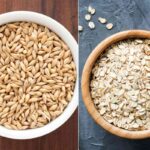

In the hushed corridors of modern medicine, where the whir of advanced machinery and the clatter of pharmaceutical packaging often dominate the narrative of health, there exists a quiet, unassuming hero. It doesn’t come with a hefty price tag or a complex chemical formula. It has no flashy marketing campaigns, nor does it require a specialist’s prescription. Yet, for a growing number of forward-thinking cardiologists, this humble grain has become an indispensable ally, a secret weapon in the relentless fight against cardiovascular disease.
This is the story of barley, a grain whose ancient lineage belies its cutting-edge relevance in preventative cardiology. And it’s a story best told through the eyes of someone who has witnessed its transformative power firsthand: Dr. Anya Sharma.
The Genesis of a Revelation: Dr. Sharma’s Journey
Dr. Anya Sharma was not always a proponent of dietary interventions as a primary weapon against heart disease. Her journey, like many of her peers, began with a rigorous education steeped in pharmacology, surgical techniques, and the intricate diagnostics of modern cardiology. She was brilliant, compassionate, and utterly dedicated to her patients at the bustling Metropolitan Heart Institute. Yet, early in her career, a gnawing frustration began to set in.
She saw patients return again and again, their statin dosages adjusted, their blood pressure medications tweaked, their exercise regimens discussed – often with limited long-term success. The cycle felt endless, a constant battle of managing symptoms rather than truly eradicating the root causes. Many patients struggled with medication side effects, others found compliance challenging, and still more simply couldn’t shake the deep-seated lifestyle habits that contributed to their deteriorating health. There was a sense of an unspoken promise broken: despite all the medical advancements, the epidemic of heart disease continued its relentless march.
One blustery autumn evening, after a particularly disheartening day of consultations, Anya found herself staring at a stack of medical journals. Her eyes, tired from hours of scrutinizing ECGs and angiography reports, landed on a special issue focusing on metabolic health and ancient grains. She had always dismissed "nutrition fads" as peripheral to serious medical practice, but something about this particular review article, detailing the profound impact of dietary fiber on lipid profiles and glycemic control, caught her attention. It wasn’t about a restrictive diet or a trendy superfood; it was about the fundamental building blocks of human sustenance.
The article delved deep into the science of beta-glucans, a soluble fiber predominantly found in oats and, to an even greater extent, in barley. It spoke of their unique ability to form a viscous gel in the digestive tract, slowing glucose absorption and, crucially, binding to bile acids. This binding mechanism, the paper explained, forces the liver to pull more cholesterol from the bloodstream to produce new bile acids, thereby naturally lowering LDL ("bad") cholesterol. The evidence cited was robust, spanning decades of clinical trials and epidemiological studies.
Anya felt a spark ignite. It wasn’t a radical new drug or a complex surgical procedure, but something so simple, so fundamental, it felt almost revolutionary in its accessibility. Could something as unassuming as a grain hold such profound power? Her scientific skepticism warred with a burgeoning sense of hope. She decided to embark on her own deep dive, spending countless evenings poring over nutritional biochemistry, delving into the intricacies of the gut microbiome, and connecting the dots between diet, inflammation, and cardiovascular health.
What she discovered was a rich tapestry of scientific evidence, far beyond just beta-glucans. Barley, it turned out, was a nutritional powerhouse, brimming with a synergistic blend of compounds that worked in concert to protect the heart. This wasn’t a fad; it was a forgotten truth, obscured by the dazzle of pharmaceutical innovation and the convenience of highly processed foods.
Her conviction grew: she couldn’t continue practicing cardiology without integrating this profound understanding of nutrition. She began cautiously, first experimenting with her own diet, then gently introducing the concept to a handful of her most receptive patients. The results, though initially anecdotal, were compelling enough to fuel her resolve. Barley, she realized, was not just a food; it was a potent, natural therapeutic, and she was determined to unlock its full potential for her patients.
Unpacking the Arsenal: The Science of Barley
For Dr. Sharma, barley became more than just a grain; it became an intricate biological system, an "arsenal" of cardio-protective compounds. Understanding its mechanisms was key to advocating for its inclusion in patient care.
1. Beta-Glucans: The Cholesterol Crusader
This is perhaps barley’s most celebrated contribution to heart health. Beta-glucans are a type of soluble dietary fiber known for their remarkable viscosity. When consumed, they dissolve in water in the digestive tract, forming a thick, gel-like substance.
-
Mechanism of Action:
- Bile Acid Binding: The viscous gel physically traps bile acids, which are compounds synthesized in the liver from cholesterol and are essential for fat digestion. Instead of being reabsorbed into the bloodstream (their usual fate), these trapped bile acids are excreted from the body.
- Cholesterol Depletion: To compensate for the lost bile acids, the liver must produce new ones. Its primary source for this is cholesterol. Thus, the liver actively pulls more cholesterol from the bloodstream, particularly LDL cholesterol, to synthesize new bile acids, effectively lowering circulating LDL levels.
- Satiety and Glucose Control: The gel also slows down the emptying of the stomach and the transit time of food through the small intestine. This prolongs the feeling of fullness, aiding in weight management – a critical factor in heart health. Furthermore, by slowing carbohydrate digestion and glucose absorption, beta-glucans help stabilize blood sugar levels, preventing sharp spikes that can damage blood vessels over time.
-
Evidence: The scientific community has long recognized the power of beta-glucans. The U.S. Food and Drug Administration (FDA) and the European Food Safety Authority (EFSA) have both approved health claims linking beta-glucan consumption to reduced cholesterol levels and improved glycemic control. Numerous meta-analyses of clinical trials consistently demonstrate that regular intake of barley beta-glucans can significantly lower total and LDL cholesterol without affecting beneficial HDL cholesterol.
2. Fiber (Soluble & Insoluble): The Gut’s Guardian and Blood Sugar Stabilizer
Beyond beta-glucans, barley boasts a rich and diverse fiber profile, including other soluble fibers and a substantial amount of insoluble fiber.