Dopamine and Desire: How Masturbation Regulates Your Mood – A Journey Through the Brain’s Pleasure Pathways

The human experience is a tapestry woven with threads of desire, motivation, and an intricate spectrum of emotions. From the quiet hum of contentment to the roaring storm of anxiety, our internal landscapes are in constant flux, shaped by the ebb and flow of neurochemicals. Among these, dopamine stands as a central protagonist, often dubbed the "pleasure molecule," yet more accurately described as the architect of desire, the engine of motivation, and a crucial conductor in our quest for satisfaction.
In this exploration, we embark on a journey into the complex interplay between dopamine, desire, and one of the most universal yet often whispered-about human behaviors: masturbation. Far from being a mere physical act, masturbation is a profound bio-psycho-social phenomenon, a self-regulatory tool that many instinctively employ to navigate their emotional terrain. We will delve into the neuroscience behind this intimate act, dissecting how the brain’s reward system responds, and ultimately, how this self-pleasure can serve as a potent, albeit often unacknowledged, mechanism for mood regulation. Our goal is to tell a story – the story of your brain, your desires, and your inherent capacity for self-soothing, framed within a knowledgeable understanding of neurobiology and human psychology.
The Dopamine System: The Engine of Anticipation and Pursuit
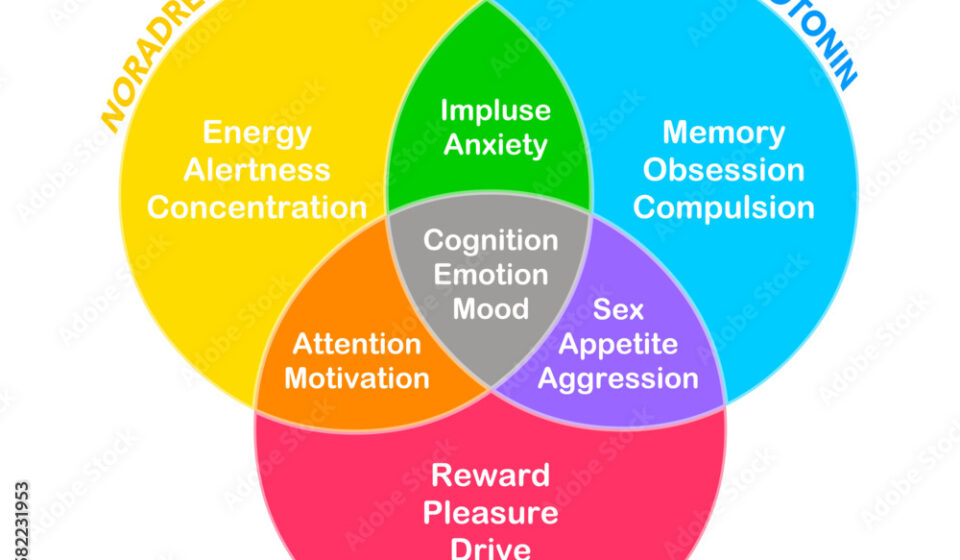
To truly understand how masturbation regulates mood, we must first appreciate the intricate dance of dopamine within the brain. Dopamine is not simply a chemical that makes us feel good; it’s a neuromodulator, a messenger that orchestrates our drive, focus, and the very pursuit of reward. Its primary domain is the mesolimbic pathway, often referred to as the brain’s "reward pathway," originating in the Ventral Tegmental Area (VTA) and projecting to several key regions, including the Nucleus Accumbens (the brain’s pleasure center), the Amygdala (involved in emotion), and the Prefrontal Cortex (responsible for planning and decision-making).
Imagine dopamine as the fuel in your car’s engine. It doesn’t necessarily dictate where you go, but it provides the motivation to start the journey and keep going. When you anticipate something pleasurable – a delicious meal, a challenging goal, or an impending orgasm – dopamine neurons in the VTA spring into action, releasing a surge of this neurotransmitter into the Nucleus Accumbens. This surge isn’t about the pleasure itself, but about the anticipation of pleasure, the "wanting" rather than the "liking." Neuroscientists Kent Berridge and Terry Robinson famously distinguished between "wanting" (driven by dopamine) and "liking" (mediated by opioid and endocannabinoid systems). Dopamine, in essence, makes us seek. It makes us lean forward, pay attention, and invest effort in achieving desired outcomes.
This "wanting" system is incredibly powerful. It drives us to learn, to explore, to innovate. It’s why we get excited about future plans, why we continue scrolling through social media, and why we initiate sexual activity. In the context of desire, dopamine builds the tension, the yearning, the focus that precedes the actual gratification. Without this dopaminergic drive, we would lack the motivation to engage with the world, to pursue intimacy, or even to satisfy our most basic needs.
Furthermore, dopamine plays a critical role in learning and habit formation. When an action leads to a reward, dopamine strengthens the neural pathways associated with that action, making us more likely to repeat it. This is why certain behaviors become ingrained – our brain learns that they lead to a positive outcome, and dopamine ensures we remember and seek out that pathway again. This feedback loop is fundamental to understanding how self-pleasure can become a go-to coping mechanism.
The Neurochemical Symphony of Self-Pleasure
Now, let’s apply this understanding of dopamine to the act of masturbation. What begins as a spark of desire or a conscious decision to seek relief sets off a complex neurochemical cascade, a symphony of hormones and neurotransmitters that orchestrate the entire experience, from arousal to resolution.
-
The Prelude: Arousal and Anticipation (Dopamine Takes the Lead)
The journey often begins with a thought, a fantasy, or a physical sensation that triggers arousal. This initial phase is heavily dominated by dopamine. As the brain anticipates the impending pleasure, dopamine levels begin to rise, creating a powerful sense of focused desire and motivation. This is the "wanting" in full swing – the brain is signaling, "This is important, pursue it!" The rising dopamine fuels the physical responses of arousal, increasing blood flow to the genitals and sharpening sensory perception. The anticipation itself can be incredibly potent, a source of intense focus that temporarily eclipses other concerns or stressors. -
The Ascent: Building Tension and Pleasure (Dopamine, Endorphins, and Oxytocin Join In)
As the act of masturbation progresses, the physical and psychological stimulation intensifies. Dopamine continues its upward trajectory, maintaining the focus and drive towards climax. Alongside dopamine, other key players emerge:- Endorphins: These natural opioids, often associated with the "runner’s high," are released during sustained physical activity and stress. They contribute to feelings of euphoria and pain relief, enhancing the overall pleasure and helping to dull any background discomfort or anxiety.
- Oxytocin: Often called the "love hormone" or "bonding hormone," oxytocin is released during physical touch and intimacy. While often associated with partnered sex, it is also released during masturbation, particularly during the later stages of arousal and orgasm. Oxytocin promotes feelings of warmth, trust, and connection – even with oneself – contributing to a sense of well-being and emotional release.
-
The Climax: The Peak of Release (A Neurochemical Deluge)
The moment of orgasm is a powerful, albeit brief, neurochemical deluge. While dopamine peaks during the anticipation and pursuit of orgasm, its role during the actual climax is more complex. There’s an intense surge, a momentary explosion, followed by a rapid decline. This peak experience is also accompanied by:- Serotonin: Another crucial neurotransmitter involved in mood regulation, sleep, and appetite. Serotonin levels increase significantly during orgasm, contributing to feelings of well-being and contentment. Its role becomes even more prominent in the post-orgasmic phase.
- Norepinephrine: This neurotransmitter and hormone is involved in the "fight or flight" response, increasing heart rate, blood pressure, and alertness. Its surge during orgasm contributes to the intense physical sensations and heightened awareness.