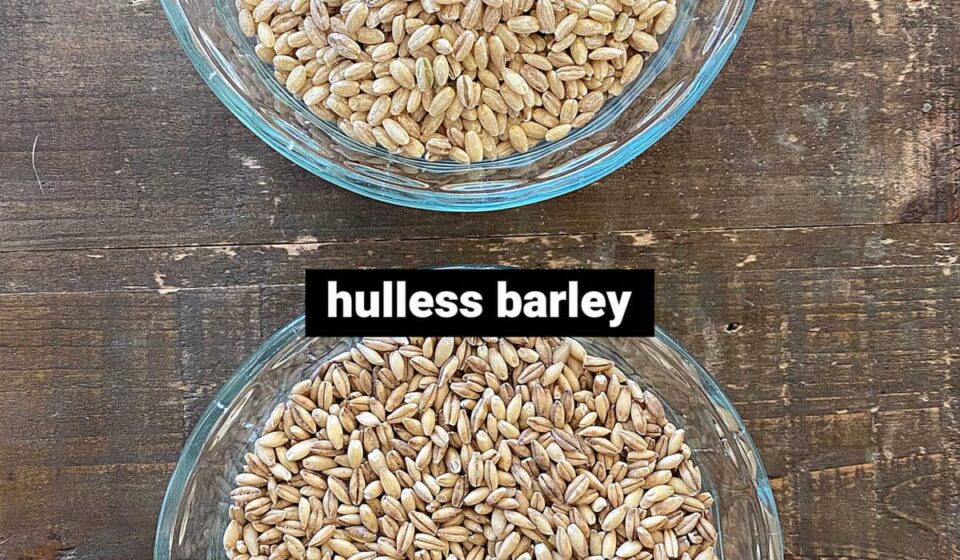

The morning sun cast long shadows across the ancient field, a gentle breeze rustling the ripening heads of barley. For millennia, this humble grain has sustained civilizations, offering resilience and nourishment. From the fertile crescent to the northern reaches of Europe, barley has been a cornerstone of diets, an unsung hero providing sustenance, warmth, and the very building blocks of life. Yet, as we stand in the modern pantry, faced with an array of choices, the journey from that sun-drenched field to our soup bowl has become more complex. Two bags sit side-by-side: one labeled "Hulled Barley," the other "Pearled Barley." To the casual observer, they might seem interchangeable – just barley. But beneath their unassuming exteriors lies a tale of processing, nutrition, and profound differences in the health benefits they bestow.
This isn’t merely a culinary distinction; it’s a nutritional crossroads. For the knowledgeable consumer, understanding the subtle yet significant variations between hulled and pearled barley is an essential step in harnessing the full power of this ancient grain for optimal health. Does the way barley is processed truly alter its fundamental goodness? The answer, as we shall uncover, is a resounding yes, and the story of why begins at the very heart of the barley kernel itself.
The Unsung Hero: Unpacking Barley’s Nutritional Riches
Before we delve into the nuances of processing, let us first appreciate barley for what it is: a nutritional powerhouse, often overshadowed by its more celebrated grain cousins like oats or quinoa. Yet, barley holds its own, offering a robust profile of essential nutrients that contribute to overall well-being.
At its core, barley is an excellent source of dietary fiber, both soluble and insoluble. It’s particularly renowned for its high concentration of beta-glucans, a specific type of soluble fiber celebrated for its profound impact on heart health and blood sugar regulation. Beyond fiber, barley provides a respectable amount of plant-based protein, making it a valuable component of vegetarian and vegan diets. It’s also rich in an array of B vitamins, including niacin, thiamine, and pyridoxine, which are crucial for energy metabolism and nervous system function. Essential minerals such as iron, magnesium, selenium, and zinc further bolster its nutritional resume, playing vital roles in everything from oxygen transport to immune function and antioxidant defense.
Furthermore, barley contains a host of phytochemicals and antioxidants, including phenolic acids, flavonoids, and tocotrienols, which help combat oxidative stress and inflammation within the body. Its relatively low glycemic index, especially in its less processed forms, makes it a favorable choice for managing blood sugar levels and promoting sustained energy.
To truly grasp the distinction between hulled and pearled, we must first embark on a microscopic journey into the anatomy of a single barley grain. This intricate structure is the key to understanding how processing dictates nutritional destiny.
The Anatomy of a Barley Grain: A Layered Masterpiece
Imagine a tiny, elongated seed – that’s a barley kernel. Each kernel is a marvel of biological engineering, designed to protect and nourish the nascent plant within. It comprises several distinct layers, each contributing its unique set of nutrients:
-
The Hull (or Husk): This is the outermost protective layer, a tough, fibrous coating that encases the entire kernel. In most barley varieties, the hull is indigestible by humans and must be removed before consumption. It’s essentially the grain’s armor against the elements.
-
The Bran: Immediately beneath the hull lies the bran layer. This is a crucial part of the grain, packed with insoluble fiber, B vitamins (thiamine, niacin, pyridoxine), trace minerals (iron, magnesium, zinc), and a wealth of antioxidants. The bran is largely responsible for the grain’s distinctive chewy texture and nutty flavor. It’s the digestive workhorse, promoting regularity and gut health.
-
The Germ: Tucked away at one end of the kernel is the germ – the embryo of the grain, the part that would sprout into a new plant if given the chance. Though small, the germ is a nutritional powerhouse, rich in healthy fats (polyunsaturated fatty acids), B vitamins, vitamin E, and a concentrated dose of minerals and antioxidants. It’s the life force of the grain.
-
The Endosperm: This is the largest part of the barley kernel, located beneath the bran and surrounding the germ. The endosperm is primarily composed of starch, providing the energy reserves for the sprouting plant. It also contains protein and some soluble fiber, including beta-glucans. While less nutrient-dense than the bran and germ, it’s still a valuable source of carbohydrates and certain beneficial compounds.
With this understanding of the barley kernel’s architecture, the tale of hulled versus pearled barley truly begins to unfold, revealing how human intervention shapes the nutritional profile we ultimately consume.
Hulled Barley: The Whole Grain Champion
When you choose hulled barley, you are embracing the grain in its most complete, least processed form. The term "hulled" signifies that only the indigestible outer husk (the hull) has been removed. The bran, the germ, and the endosperm remain fully intact, preserving the vast majority of the grain’s inherent nutritional value.
Processing: The process of producing hulled barley is minimal. After harvest, the kernels are gently scoured or abraded just enough to detach the tough, inedible outer hull. This delicate process ensures that the nutrient-rich bran and germ layers are left undisturbed.
Nutritional Profile: Hulled barley stands as a true whole grain, a nutritional champion. Its profile is markedly superior to its pearled counterpart: