
In the grand arena of whole grains, where ancient staples and modern superfoods vie for our attention, few contenders command as much respect and culinary affection as barley and brown rice. Both have graced tables for millennia, nourishing civilizations and sustaining populations. Both are championed by nutritionists, dietitians, and health-conscious individuals alike as cornerstones of a balanced diet. But when these two nutritional titans go head-to-head, armed with their impressive arrays of fiber, vitamins, minerals, and antioxidants, which one truly emerges as the undisputed champion? Which grain, if any, deserves to wear the nutritional gold medal?
This isn’t a simple question with a straightforward answer, for the truth, as with most things in the intricate world of nutrition, is far more nuanced than a simple win/lose declaration. Instead, it’s a fascinating journey into the molecular makeup, historical significance, and diverse health impacts of two truly remarkable grains. Join us as we peel back the husks, delve into the germ and bran, and uncover the secrets that make barley and brown rice invaluable allies in our pursuit of optimal health. We’ll explore their individual strengths, pit them against each other in various nutritional categories, and ultimately, seek to understand how both can enrich our diets and contribute to a vibrant life.
Chapter 1: The Robust Contender – Barley, The Ancient Grain with Modern Might
Our first contender steps into the spotlight with a storied history etched into the annals of human civilization. Barley (Hordeum vulgare) is one of the oldest cultivated grains, tracing its origins back to the Fertile Crescent over 10,000 years ago. It fueled gladiators, sustained armies, and formed the backbone of diets across ancient Egypt, Greece, and Rome. Today, while perhaps overshadowed by wheat and rice in sheer global consumption, barley maintains a formidable presence, celebrated not just for its malting qualities in beverages, but increasingly for its profound health benefits.
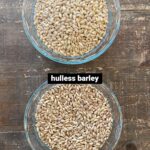
Barley is typically consumed in its hulled or pearled forms. Hulled barley, the true whole grain, retains its outer bran layer, endosperm, and germ, offering the full spectrum of its nutritional bounty. Pearled barley, while still healthy, has had its outer layers polished away, reducing some of its fiber and nutrient content but also making it quicker to cook and softer in texture. For the purpose of this nutritional showdown, we will primarily focus on hulled barley, the grain in its most complete and potent form.
The Nutritional Profile Deep Dive: Unpacking Barley’s Power
What makes barley such a powerful ally in the quest for health? Its strength lies in a unique blend of macronutrients and a rich tapestry of micronutrients, all working in concert.
-
Fiber Powerhouse: The Beta-Glucan Advantage
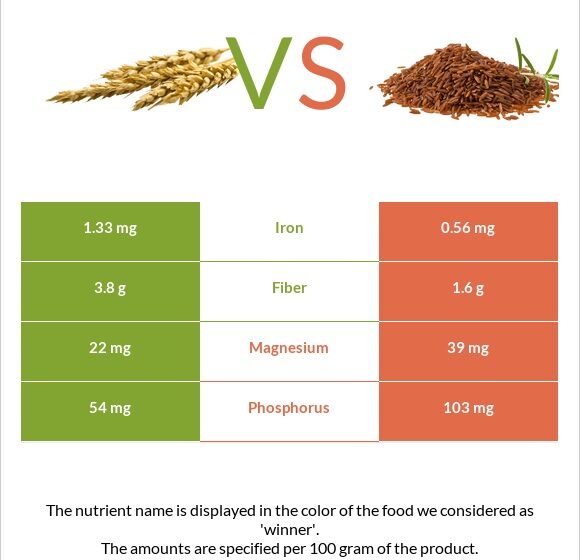
This is where barley truly shines, often leaving other grains in its wake. Barley is exceptionally rich in dietary fiber, particularly a soluble fiber known as beta-glucan. While brown rice certainly contributes fiber, barley’s beta-glucan content is notably higher and uniquely impactful.- Cholesterol Reduction: Beta-glucan is a viscous fiber that forms a gel-like substance in the digestive tract. This gel binds to bile acids, which are made from cholesterol, and escorts them out of the body. To compensate, the liver pulls more cholesterol from the bloodstream to produce new bile acids, thereby lowering levels of LDL ("bad") cholesterol. Numerous studies have unequivocally demonstrated barley’s efficacy in improving cardiovascular health through this mechanism.
- Blood Sugar Control: The same gel-forming property also slows down the absorption of carbohydrates, leading to a more gradual and sustained rise in blood sugar levels after a meal. This makes barley an excellent choice for individuals managing diabetes or seeking to prevent its onset, contributing to a lower glycemic index (GI) compared to many other grains.
- Gut Health and Prebiotic Effects: Beta-glucan acts as a potent prebiotic, feeding the beneficial bacteria in the gut microbiome. A thriving gut microbiome is linked to improved digestion, enhanced immune function, reduced inflammation, and even better mood regulation. Insoluble fiber, also present in barley, adds bulk to stool, promoting regularity and preventing constipation.
-
Macronutrients: Sustained Energy and Building Blocks
Barley is a complex carbohydrate powerhouse, providing sustained energy release without the sharp spikes and crashes associated with refined grains. Its carbohydrate content fuels daily activities and workouts. It also offers a respectable amount of plant-based protein, crucial for muscle repair, enzyme production, and overall cellular function. While not a complete protein on its own (lacking sufficient levels of certain essential amino acids), when combined with other plant-based foods throughout the day, it contributes significantly to protein intake. -
Micronutrients: A Treasury of Essential Elements
Beyond its fiber, barley is a treasure trove of vital vitamins and minerals:- Manganese: Essential for bone development, metabolism, and antioxidant defense.
- Selenium: A powerful antioxidant that supports thyroid function and immune health.
- Copper: Crucial for red blood cell formation, iron absorption, and nerve function.
- Phosphorus: Vital for bone and tooth health, energy metabolism, and DNA synthesis.