
The modern world, with its relentless pace and pervasive stressors, often feels like a constant assault on our inner equilibrium. We chase deadlines, navigate complex relationships, and consume a diet of information—and sometimes, highly processed foods—that can leave us feeling depleted and disconnected. Beneath the surface, our bodies are often mirroring this external chaos. For many, the first whisper of internal distress manifests in the heart, that tireless engine of life. Heart disease remains the leading cause of death globally, a silent epidemic fueled by lifestyle choices, chronic stress, and a lack of understanding about the profound interconnectedness of our physical and emotional selves.
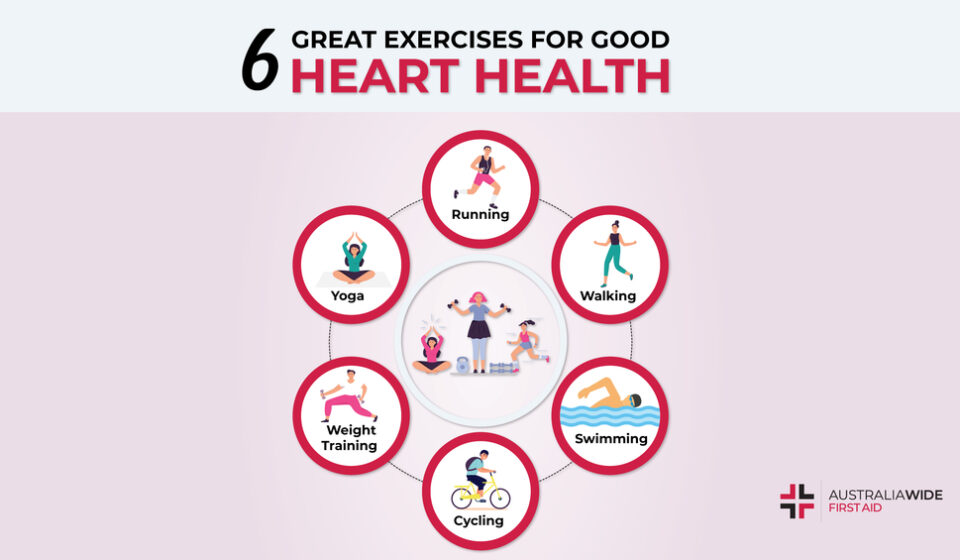
When confronted with the specter of cardiovascular disease, the immediate prescription often involves pharmaceuticals, dietary overhauls, and conventional exercise regimens. These are undeniably crucial. Yet, for a long time, an ancient practice has been quietly offering a complementary, deeply holistic path to heart health, often misunderstood and undervalued in the Western medical paradigm: yoga.
To many, yoga is synonymous with acrobatic poses, serene meditations, and perhaps a path to greater flexibility. "It’s just stretching," some might dismissively say, failing to grasp the profound physiological and psychological shifts it instigates. But to limit yoga to mere physical contortion is akin to judging a symphony by a single note. The true power of yoga, particularly in the realm of cardiovascular health, lies far beyond the bend of a limb. It’s a sophisticated system that orchestrates a harmonious dance within the body, tapping into the very core of our being to recalibrate, repair, and fortify the heart.
This isn’t mysticism; it’s meticulously observed, scientifically validated biology. Decades of research, utilizing advanced physiological markers and rigorous methodologies, have begun to unveil the intricate mechanisms through which yoga—a practice encompassing physical postures (asanas), breath control (pranayama), and meditation (dhyana)—acts as a potent, non-pharmacological intervention for heart health. It tells a compelling story of how conscious movement, breath, and awareness can rewrite the narrative of our cardiovascular well-being, transforming the body from a state of chronic alarm to one of resilient balance.
Let us journey beyond the mat, beyond the perceived simplicity of a downward dog, and delve into five science-based ways yoga profoundly improves heart health, revealing its true narrative as a comprehensive cardiological ally.
1. Calming the Storm: Modulating the Autonomic Nervous System
Imagine your body as a sophisticated automobile, equipped with two primary driving modes: "race mode" and "cruise control." In physiological terms, these are the sympathetic nervous system (SNS) and the parasympathetic nervous system (PNS), respectively, the two branches of your autonomic nervous system (ANS). The SNS, our "fight-or-flight" response, gears us up for perceived threats, flooding the body with stress hormones like cortisol and adrenaline, elevating heart rate, blood pressure, and diverting resources from non-essential functions. The PNS, our "rest-and-digest" mode, does the opposite: it slows the heart rate, lowers blood pressure, aids digestion, and promotes repair and recovery.
In our perpetually demanding modern lives, many of us are stuck in a chronic state of "race mode." Deadlines, traffic, financial worries, and even the constant buzz of digital notifications keep our SNS perpetually activated. This sustained sympathetic dominance is disastrous for the heart. Chronic elevation of stress hormones leads to prolonged high blood pressure, inflammation, increased risk of blood clot formation, and direct damage to blood vessel walls. It’s like constantly redlining your car engine – eventually, something is bound to break down.
This is where yoga steps in as a masterful conductor of the ANS. Through its deliberate combination of slow, controlled movements (asanas), conscious breathing techniques (pranayama), and focused awareness (meditation), yoga actively shifts the balance towards the parasympathetic nervous system.
The Science of the Shift:
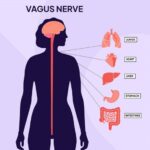
- Vagal Tone Enhancement: The vagus nerve is the primary conduit of the PNS, extending from the brainstem to various organs, including the heart. A higher "vagal tone" signifies a more robust and responsive PNS, leading to better heart rate variability (HRV)—the natural, healthy fluctuations in the time between heartbeats. A high HRV is a strong indicator of cardiovascular health and resilience, reflecting the heart’s ability to adapt to various demands. Yoga, particularly practices involving slow, deep diaphragmatic breathing (e.g., Ujjayi breath, Nadi Shodhana), directly stimulates the vagus nerve. Studies have consistently shown that regular yoga practice significantly increases HRV, signaling a stronger "cruise control" system.
- Reduction in Stress Hormones: Research has demonstrated that individuals who regularly practice yoga exhibit lower levels of cortisol and adrenaline. These reductions directly translate to lower systemic inflammation, less arterial stiffness, and a decreased burden on the heart. One meta-analysis of multiple studies found that yoga significantly reduced salivary cortisol levels, a direct marker of chronic stress.
- Lowering Heart Rate and Blood Pressure: By activating the PNS, yoga helps to directly lower resting heart rate and blood pressure. This is not just a temporary effect during practice; consistent engagement can lead to sustained reductions, significantly mitigating the risk of hypertension and its associated cardiac complications. Clinical trials involving hypertensive patients have shown yoga to be as effective as some conventional lifestyle interventions in lowering blood pressure.
The story here is one of re-education. Yoga teaches the body to remember its innate capacity for calm, to disengage from the constant state of alarm, and to cultivate a resilient internal environment where the heart can function optimally, free from the relentless pressure of chronic stress. It’s about consciously choosing "cruise control" and allowing the body’s natural healing mechanisms to take over.
2. The Inner Pharmacy: Reducing Systemic Inflammation and Oxidative Stress
Beyond the obvious culprits like high cholesterol, there’s a more insidious, often silent, enemy of heart health: chronic systemic inflammation. Imagine your blood vessels as delicate pipes. When they become inflamed, they’re like pipes with rusty, irritated linings. This inflammation is not the acute, beneficial response to an injury (like a swollen ankle), but a low-grade, persistent immune activation that silently damages tissues over time. This chronic inflammation is now recognized as a key driver in the initiation and progression of atherosclerosis—the hardening and narrowing of arteries due to plaque buildup—which underlies most heart attacks and strokes.
Similarly, oxidative stress, an imbalance between the production of harmful free radicals and the body’s ability to neutralize them with antioxidants, further exacerbates this damage. Free radicals are unstable molecules that can damage cells, proteins, and DNA, including the cells lining our blood vessels. This "rusting" of the arteries makes them more susceptible to plaque formation and impairs their ability to function properly.
Yoga acts as a powerful anti-inflammatory and antioxidant "inner pharmacy," orchestrating a cascade of cellular and molecular changes that protect the cardiovascular system.
The Science of Cellular Defense:
- Reduction in Pro-inflammatory Markers: One of the most compelling pieces of evidence comes from studies measuring inflammatory biomarkers. C-reactive protein (CRP), interleukin-6 (IL-6), and tumor necrosis factor-alpha (TNF-α) are key indicators of systemic inflammation. Numerous studies have shown that regular yoga practice significantly reduces the levels of these pro-inflammatory cytokines. For instance, a systematic review and meta-analysis published in the Journal of Clinical Psychiatry found significant reductions in CRP and IL-6 among individuals practicing yoga. By calming this inflammatory response, yoga directly contributes to preventing arterial damage and plaque formation.
- Enhancing Antioxidant Defenses: Yoga has been shown to boost the body’s endogenous antioxidant systems. Practices like pranayama, with their emphasis on controlled breathing, improve oxygen utilization and reduce oxidative stress. Studies have observed increased levels of antioxidant enzymes such as superoxide dismutase (SOD) and glutathione peroxidase (GPx) in yoga practitioners, alongside a reduction in markers of oxidative damage like malondialdehyde (MDA). This means yoga helps the body fight off the damaging effects of free radicals, protecting cellular integrity, particularly within the delicate endothelial lining of blood vessels.
- Modulation of Gene Expression: Emerging research suggests that yoga may even influence gene expression related to inflammation and immune response. While still an evolving field, preliminary studies indicate that mindfulness-based practices, including yoga, can downregulate genes associated with inflammation and upregulate those involved in immune function and stress resilience.
The narrative here is one of purification and protection. Yoga doesn’t just treat symptoms; it delves deeper, addressing the fundamental cellular processes that contribute to heart disease. It’s about cleaning up the internal environment, extinguishing the smoldering fires of inflammation, and building a robust defense system that shields the heart from chronic damage, allowing it to function in a state of renewed health.