Dopamine, Desire, and the Art of Self-Regulation: A Neurobiological Exploration of Masturbation’s Mood-Altering Power

In the intricate tapestry of human experience, few threads are as universally woven yet as privately explored as desire and its subsequent release. From the primordial urge to procreate to the subtle craving for comfort, desire is a fundamental force, often an overwhelming one. When life’s pressures mount, when anxiety gnaws, or when stress binds us in its relentless grip, the search for solace becomes paramount. In this quest for equilibrium, a surprisingly potent, universally accessible, and often misunderstood tool emerges: masturbation. Far from being a mere pursuit of fleeting pleasure, masturbation, when understood through the lens of neurobiology, reveals itself as a sophisticated mechanism for mood regulation, deeply intertwined with the brain’s reward system, primarily orchestrated by the enigmatic neurotransmitter, dopamine.
This article embarks on a journey into the complex interplay between dopamine, desire, and the deliberate act of self-pleasure, aiming to unravel how this ancient practice serves as a sophisticated, if often stigmatized, pathway to emotional equilibrium. For a knowledgeable audience, we will delve beyond superficial explanations, exploring the intricate neural circuits, hormonal cascades, and psychological shifts that underpin masturbation’s profound capacity to regulate our inner world. We will tell a story not just of biological processes, but of the internal human experience—the ebb and flow of tension and release, the dance between anticipation and satiation, and the quiet restoration of calm.
The Neurobiology of Desire: Dopamine as the Architect of Anticipation
To understand how masturbation regulates mood, we must first comprehend the engine that drives it: desire. And at the heart of desire, we find dopamine. Often mislabeled as the "pleasure molecule," dopamine’s role is far more nuanced and profound. It is, in essence, the architect of anticipation, the neurochemical conductor of wanting, motivation, and seeking.
Imagine a moment when a profound craving takes hold—perhaps for a specific food, a desired object, or an intimate connection. Before the gratification even occurs, a subtle shift begins in the brain. This is dopamine at work. It surges not primarily at the moment of reward itself, but in the anticipation of that reward. This anticipatory rush is what propels us forward, focuses our attention, and directs our energy towards obtaining the desired outcome.
The primary pathway for this motivational drive is the mesolimbic dopamine system, originating in the ventral tegmental area (VTA) and projecting to key areas such as the nucleus accumbens (NAcc) and the prefrontal cortex (PFC).
- Ventral Tegmental Area (VTA): The birthplace of dopamine neurons, firing in response to novel, rewarding, or unexpected stimuli.
- Nucleus Accumbens (NAcc): Often considered the "pleasure center," but more accurately, the "motivation hub." Dopamine release here signals the salience and motivational drive associated with a potential reward. It’s the "go" signal, urging us to pursue.
- Prefrontal Cortex (PFC): This higher-order processing center receives dopamine input, influencing decision-making, planning, and goal-directed behavior. It helps us strategize how to obtain what we desire.
In the context of sexual desire, this system is exquisitely tuned. As arousal builds, dopamine levels steadily climb. This isn’t about the physical sensation of pleasure yet, but the mental landscape of wanting. Thoughts become increasingly centered on the impending release, the body’s subtle cues of arousal become amplified, and a focused determination to reach climax takes over. The brain is actively engaged in a predictive coding exercise, constantly updating its model of the impending reward, intensifying the drive. This phase, rich with dopamine, can be exhilarating, but also, paradoxically, a source of tension. The unmet desire, the prolonged anticipation, can manifest as restlessness, irritability, and a pervasive sense of incompleteness. This is the very tension that masturbation, as a self-directed act, aims to resolve.
The Orchestration of Orgasm: A Symphony of Neurochemicals
The journey from desire to release is a complex neurochemical ballet, culminating in orgasm—a physiological and psychological crescendo that fundamentally alters the brain’s state. While dopamine drives the pursuit of orgasm, its role shifts significantly at the moment of climax and thereafter.
As the body approaches orgasm, dopamine levels reach their zenith, fueling the final, intense push towards release. However, at the moment of orgasm itself, and immediately afterward, a cascade of other neurochemicals takes center stage, shifting the brain from a state of high arousal and wanting to one of profound satiety, relaxation, and emotional well-being.
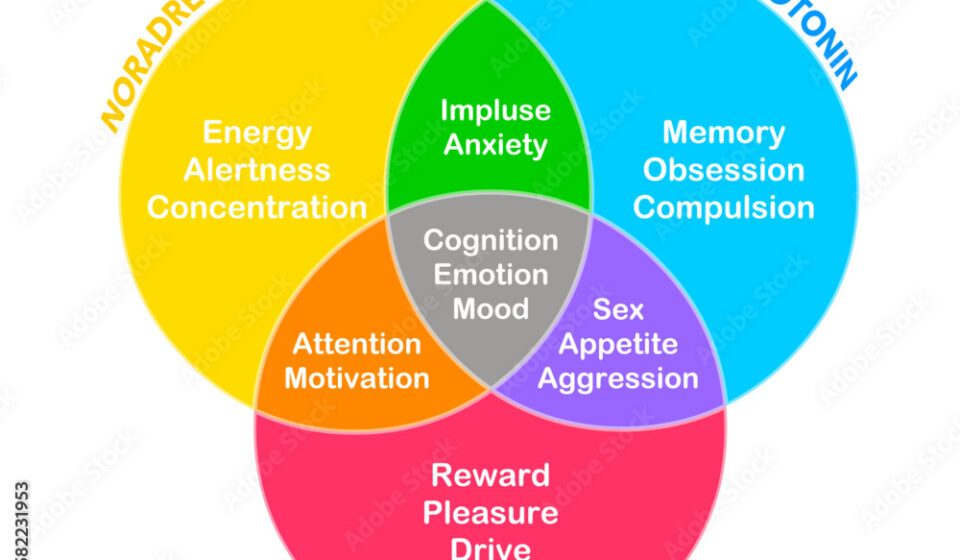
- Oxytocin: The Bonding and Trust Hormone: Often associated with social bonding and maternal care, oxytocin surges during orgasm in both sexes. In the context of self-pleasure, it contributes to feelings of contentment, relaxation, and a sense of "all-is-well." It helps to dampen stress responses and promotes feelings of peace.
- Prolactin: The Post-Orgasm Satiety Signal: Perhaps one of the most significant players in mood regulation post-orgasm is prolactin. This hormone, known for its role in lactation, experiences a substantial surge after orgasm. Prolactin is strongly linked to the refractory period—the time during which further sexual arousal is difficult or impossible. Crucially, prolactin also induces feelings of drowsiness and satiety, contributing to the "post-orgasmic glow" and the desire for rest. It actively downregulates the dopamine-driven wanting system, essentially telling the brain, "You’ve had your reward; now rest."
- Endorphins: Nature’s Opioids: These endogenous opioids are released during and after orgasm, acting as natural pain relievers and mood elevators. They contribute to feelings of euphoria, well-being, and a sense of calm. The endorphin rush helps to dissipate physical tension and creates a feeling of lightness and relaxation.
- Serotonin: The Mood Stabilizer: While not as dramatically fluctuating as dopamine or prolactin, serotonin levels are modulated during sexual activity. Serotonin plays a crucial role in regulating mood, sleep, appetite, and overall well-being. Its post-orgasmic modulation contributes to a sense of emotional balance and reduces irritability.
- Norepinephrine and Adrenaline: These excitatory neurotransmitters peak during arousal and orgasm, contributing to the heightened heart rate, blood pressure, and muscle tension. However, their rapid decline post-orgasm is essential for the transition to a relaxed state, signifying the release of the body’s built-up physiological tension.
The story here is one of a deliberate, internal "reset." The brain, initially driven by the relentless pursuit of dopamine-fueled desire, transitions into a state dominated by chemicals that promote calm, bonding, satiety, and pain relief. This shift is not accidental; it is a finely tuned mechanism designed to bring the organism back to a state of equilibrium after an intense physiological and psychological experience.
Masturbation as a Mood Modulator: Unpacking the Mechanisms
Given this neurochemical backdrop, masturbation emerges as a powerful, self-directed tool for mood regulation, addressing a spectrum of emotional states from stress and anxiety to irritability and sadness. Let’s unpack the specific mechanisms through which it exerts its influence.
1. Stress Reduction and Cortisol Regulation
Stress, in its chronic form, is a silent assailant, raising cortisol levels and keeping the body in a perpetual state of "fight or flight." Masturbation offers a potent counter-measure. The act itself, by focusing attention and engaging the body’s pleasure centers, provides a significant distraction from stressors. More profoundly, the post-orgasmic neurochemical cascade actively dampens the stress response.
- Shift to Parasympathetic Nervous System: During orgasm, the sympathetic nervous system (responsible for fight or flight) is highly active. However, immediately after, there’s a significant shift towards the parasympathetic nervous system, which promotes "rest and digest." This physiological transition directly lowers heart rate, blood pressure, and muscle tension, bringing the body out of a stressed state.