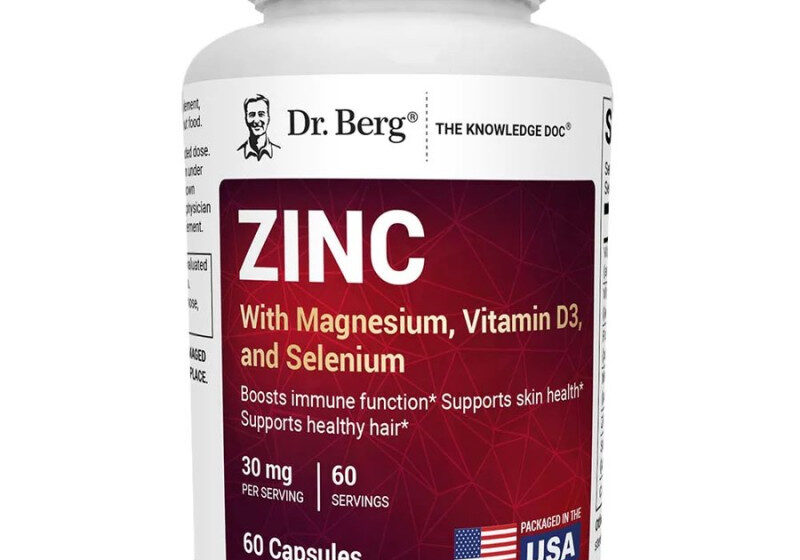
The Unseen Architects of Intimacy: Zinc, Vitamin D, and Magnesium – The Essential Minerals for Sexual Health

Sexual health, in its broadest and most profound sense, is far more than just the mechanics of intercourse or the capacity for procreation. It is a vibrant tapestry woven from physical vitality, emotional connection, mental clarity, and hormonal balance. It underpins our relationships, our self-esteem, and our overall quality of life, acting as a powerful barometer for our internal state. Yet, in an era saturated with quick fixes and pharmaceutical solutions for sexual dysfunction, the foundational role of nutrition often remains an overlooked, whispered secret. We tend to compartmentalize sexual health, separating it from the daily choices we make at our dinner tables, unaware that the very building blocks of desire, performance, and fertility are intrinsically linked to the micronutrients coursing through our veins.
This is a story not of grand breakthroughs, but of quiet, consistent influence. It is the narrative of three unsung heroes – Zinc, Vitamin D, and Magnesium – a trinity of minerals and a pro-hormone that, while often overshadowed by more celebrated vitamins, stand as the unseen architects of our sexual vitality. They don’t just "help"; they are fundamental, indispensable cofactors in a myriad of biochemical reactions that dictate our hormonal landscape, our circulatory health, our nervous system function, and ultimately, our capacity for intimacy. For the knowledgeable individual seeking to understand the deep roots of well-being, this exploration will reveal how these essential elements, working in concert, orchestrate the symphony of sexual health, fertility, and desire, making a compelling case for their rightful place at the forefront of our health consciousness.
Zinc: The Spark of Life, The Conductor of Virility
Imagine a master conductor, poised before a grand orchestra, each gesture shaping the entire performance. In the intricate symphony of human physiology, Zinc plays a remarkably similar role, particularly when it comes to sexual health. Often dubbed the "spark of life," this trace mineral is a critical component of over 300 enzymatic reactions and is involved in the structure of more than 2,000 transcription factors, meaning it literally helps turn genes on and off. Its ubiquity in vital biological processes makes its impact on sexual health profound, affecting everything from hormonal production to the very integrity of our genetic material.
For men, the narrative of Zinc often begins with testosterone. Testosterone, the quintessential male hormone, is the bedrock of male sexual health, driving libido, erectile function, muscle mass, and even mood. Zinc deficiency has been directly linked to hypogonadism, a condition characterized by reduced functional activity of the gonads and, consequently, lower testosterone levels. The mechanisms are multi-faceted: Zinc is essential for the hypothalamic-pituitary-gonadal (HPG) axis, the command center that regulates testosterone production. It influences the release of luteinizing hormone (LH) and follicle-stimulating hormone (FSH) from the pituitary gland, which in turn signal the Leydig cells in the testes to produce testosterone. Furthermore, Zinc acts as a natural aromatase inhibitor, an enzyme responsible for converting testosterone into estrogen. By modulating aromatase activity, Zinc helps maintain a healthy testosterone-to-estrogen balance, preventing the feminization that can occur with excessive estrogen and preserving free, bioavailable testosterone.
Beyond its role in testosterone synthesis, Zinc is paramount for spermatogenesis – the creation of sperm. It is highly concentrated in the testes and prostate gland, where it contributes significantly to sperm quality and function. Zinc deficiency has been correlated with reduced sperm count, decreased sperm motility, and abnormal sperm morphology. This is partly due to its powerful antioxidant properties. Sperm cells are highly susceptible to oxidative stress, which can damage their delicate DNA and impair their ability to swim and fertilize an egg. Zinc acts as a crucial defense mechanism, neutralizing free radicals and protecting sperm from oxidative damage, thereby preserving their genetic integrity and functional viability. The prostate gland, a vital accessory gland for male reproductive health, also relies heavily on Zinc for its normal function, with studies showing that Zinc levels in prostatic fluid are significantly higher than in any other body fluid. Its deficiency has been implicated in prostatic issues, including benign prostatic hyperplasia (BPH) and even prostate cancer, although the exact mechanisms are still being fully elucidated.
For women, while the testosterone link is less direct, Zinc remains critical. It plays a role in ovarian function, ovulation, and overall hormonal balance. It’s involved in the development of healthy eggs and the regulation of the menstrual cycle. Adequate Zinc levels are also important for libido in women, as it contributes to overall energy levels, mood regulation through its involvement in neurotransmitter synthesis (like dopamine), and general physiological well-being, all of which are foundational to sexual desire and responsiveness. Zinc’s immune-modulating properties also contribute to overall health, ensuring the body has the energy and resilience needed for sexual activity.
The story of Zinc’s impact extends to the very act of intercourse. Adequate Zinc levels are necessary for proper nerve signal transmission and muscle contraction, both of which are essential for achieving and maintaining erections in men and for sensation and response in women. Its role in wound healing and immune function also contributes to the health of delicate mucous membranes, reducing the risk of infections that can impede sexual activity.
Despite its critical importance, Zinc deficiency is remarkably common globally, often due to dietary choices, soil depletion, and lifestyle factors. Processed foods, high in phytates (found in grains and legumes), can bind to Zinc and inhibit its absorption. Alcohol consumption, stress, and certain medications can also deplete Zinc stores. The consequences of even mild to moderate deficiency can be insidious, manifesting as fatigue, impaired immune function, reduced appetite, and, significantly, a gradual erosion of sexual vitality and fertility.
The richest dietary sources of Zinc are famously oysters, which have been revered as aphrodisiacs for centuries – a testament to ancient wisdom recognizing its powerful effects. Other excellent sources include red meat, poultry, beans, nuts, whole grains, and dairy products. Understanding Zinc’s role is the first step in reclaiming its conductor-like influence over the symphony of sexual health, ensuring that this vital spark continues to ignite the flames of desire and fertility.
Vitamin D: The Sunshine Hormone, The Endocrine Maestro
If Zinc is the master conductor, then Vitamin D, often mislabeled as merely a vitamin, is the astute orchestral director – a pro-hormone that dictates the very architecture of our endocrine system and, by extension, our sexual health. Synthesized in the skin upon exposure to sunlight, Vitamin D’s journey from a simple compound to a powerful hormone (calcitriol) involves multiple steps, each crucial for its diverse functions. Its widespread influence stems from the presence of Vitamin D receptors (VDRs) throughout the body, including key reproductive tissues like the testes, ovaries, prostate, and uterus, as well as in the brain and blood vessels. This ubiquitous presence underscores its role not just in bone health, but as a critical endocrine maestro.
For men, the narrative of Vitamin D and sexual health is deeply intertwined with testosterone. Numerous studies have established a compelling correlation between Vitamin D levels and circulating testosterone. Men with adequate Vitamin D levels tend to have higher testosterone levels, while deficiency is frequently observed in men with low testosterone and associated symptoms like reduced libido and erectile dysfunction (ED). The mechanisms are multifaceted: Vitamin D receptors are present in the Leydig cells of the testes, the primary sites of testosterone production. When activated by Vitamin D, these receptors can directly stimulate the synthesis of testosterone. Furthermore, Vitamin D plays a crucial role in regulating calcium homeostasis, which is essential for the optimal functioning of Leydig cells and the steroidogenesis pathway. It also influences the sensitivity of androgen receptors, potentially enhancing the body’s response to available testosterone.
Beyond its direct impact on testosterone, Vitamin D’s influence on erectile function is profound and often overlooked. Erections are fundamentally a vascular event, requiring healthy blood flow to the penis. Vitamin D is a powerful modulator of endothelial function – the health of the inner lining of blood vessels. It helps promote the production of nitric oxide (NO), a crucial signaling molecule that relaxes the smooth muscles in the penile arteries, allowing blood to rush in and cause an erection. Conversely, Vitamin D deficiency is associated with endothelial dysfunction, arterial stiffness, and systemic inflammation, all of which are significant risk factors for cardiovascular disease and, consequently, erectile dysfunction. In essence, a healthy heart and healthy blood vessels, supported by adequate Vitamin D, are prerequisites for robust sexual function.
For women, Vitamin D’s role in sexual health is equally vital. It impacts ovarian function, follicular development, and the regulation of sex hormones like estrogen and progesterone. Deficiency has been linked to conditions like Polycystic Ovary Syndrome (PCOS), a common endocrine disorder that can cause irregular periods, infertility, and hormonal imbalances affecting libido and body image. Adequate Vitamin D levels are also crucial for fertility and successful pregnancy outcomes, influencing endometrial receptivity and embryo implantation. Moreover, Vitamin D contributes to overall mood and energy levels. It plays a role in serotonin synthesis, and its deficiency has been associated with mood disorders like depression, which can significantly dampen libido and sexual desire in both men and women.
The story of Vitamin D’s impact is not just about direct hormonal influence; it’s also about creating an optimal internal environment. It acts as an immune modulator, helping to reduce chronic inflammation throughout the body. Systemic inflammation can negatively impact hormonal balance, endothelial function, and overall vitality, all of which are detrimental to sexual health. By dampening inflammatory pathways, Vitamin D contributes to a healthier physiological state conducive to sexual flourishing.
The modern predicament of Vitamin D deficiency is pervasive. Our indoor lifestyles, fear of sun exposure, use of sunscreen, and geographical location (living far from the equator) all conspire to limit our natural synthesis of this crucial hormone. Dietary sources like fatty fish (salmon, mackerel) and fortified foods (milk, cereal) provide some Vitamin D, but often not enough to meet optimal levels. This widespread deficiency creates a silent epidemic, subtly undermining not just bone health, but also the very foundations of our sexual vitality and hormonal balance.
Measuring 25(OH)D levels through a simple blood test is the first step towards understanding one’s Vitamin D status. Supplementation, under guidance, is often necessary to achieve and maintain optimal levels, especially during winter months or for those with limited sun exposure. However, the story of Vitamin D is incomplete without its crucial partner, Magnesium, which acts as a vital cofactor in its activation and utilization, a synergy we will explore shortly. Without sufficient Magnesium, the Sunshine Hormone’s potential remains largely untapped.
Magnesium: The Unseen Orchestrator, The Cofactor King
If Zinc conducts and Vitamin D directs, then Magnesium is the tireless, often invisible, stage manager – the unseen orchestrator, the cofactor king that ensures every element of the production runs smoothly. Magnesium is involved in over 600 enzymatic reactions in the body, touching virtually every physiological system. It is fundamental to energy production, nerve function, muscle contraction and relaxation, protein synthesis, blood glucose control, and blood pressure regulation. Its profound influence extends deeply into the realm of sexual health, often working behind the scenes to enable the functions of other vital nutrients, including Zinc and, most notably, Vitamin D.
The story of Magnesium’s impact on sexual health begins with energy. Sexual activity, from desire to performance, is an energy-intensive process. Magnesium is absolutely critical for the production of adenosine triphosphate (ATP), the body’s primary energy currency. Without adequate Magnesium, our cells struggle to generate energy efficiently, leading to fatigue, reduced stamina, and a general lack of vitality that can directly impact libido and the desire for intimacy. When the body is constantly running on low battery, sexual energy is often the first thing to be deprioritized.
Beyond energy, Magnesium plays a crucial role in nerve function and stress reduction. In our fast-paced, high-stress world, chronic stress is a major libido killer. Magnesium helps regulate neurotransmitters, including GABA, which has calming effects, and can mitigate the release of stress hormones like cortisol. By promoting relaxation and reducing anxiety, Magnesium creates a more conducive mental and emotional state for sexual desire and responsiveness. A calm, relaxed mind and body are far more receptive to intimacy than one riddled with tension and anxiety. It also contributes to better sleep quality, and adequate sleep is paramount for hormonal balance, including the nocturnal pulsatile release of testosterone.
For men, Magnesium’s narrative intertwines directly with testosterone. It plays a significant role in enhancing the bioavailability of testosterone. A large portion of testosterone in the blood is bound to sex hormone-binding globulin (SHBG), making it inactive. Magnesium has been shown to reduce SHBG binding to testosterone, thereby increasing the amount of free, biologically active testosterone available to the body’s cells. This is a critical factor, as it’s the free testosterone that dictates libido, muscle strength, and overall male vitality. Furthermore, Magnesium contributes to cardiovascular health by helping to regulate blood pressure and promote healthy blood vessel function. As established with Vitamin D, optimal blood flow is non-negotiable for robust erectile function, and Magnesium’s role in smooth muscle relaxation and endothelial health contributes directly to this.
For women, Magnesium is a powerful ally in managing hormonal fluctuations and reducing symptoms that can negatively impact sexual health. It helps to balance estrogen levels and can alleviate symptoms of premenstrual syndrome (PMS), such as mood swings, irritability, and cramps, which often dampen libido. Its muscle-relaxing properties can also ease pelvic tension and contribute to a more comfortable and pleasurable sexual experience. Like with men, its role in energy production, stress reduction, and sleep quality forms a fundamental baseline for female sexual vitality.
However, the most compelling chapter in Magnesium’s story is its role as the ultimate cofactor, particularly in relation to Vitamin D. This is where the synergy of our trinity truly begins to unfold. Magnesium is absolutely essential for the activation of Vitamin D. All the enzymes that metabolize Vitamin D (both in the liver and kidneys) require Magnesium as a cofactor. Without sufficient Magnesium, Vitamin D, whether from sun exposure or supplements, remains largely inactive and ineffective. It’s like having the most brilliant orchestral director (Vitamin D) but no stage manager (Magnesium) to ensure the lights are on, the instruments are tuned, and the sheet music is distributed. A Vitamin D supplement taken without adequate Magnesium may not only be ineffective but can also paradoxically exacerbate Magnesium deficiency, as the body uses up its limited Magnesium stores trying to activate the excess Vitamin D. This critical interaction highlights why assessing and addressing Magnesium status is paramount for anyone optimizing their Vitamin D levels.
Despite its undeniable importance, Magnesium deficiency is rampant in modern populations. Soil depletion, coupled with diets high in processed foods and low in nutrient-dense whole foods, means many people simply don’t consume enough. Furthermore, stress, alcohol, caffeine, certain medications (like proton pump inhibitors and diuretics), and strenuous exercise can all deplete Magnesium stores. The subtle signs of deficiency – muscle cramps, fatigue, anxiety, poor sleep, headaches – are often dismissed or attributed to other causes, while the deeper impact on hormonal balance and sexual health goes unrecognized.
Rich dietary sources of Magnesium include dark leafy greens (spinach, kale), nuts (almonds, cashews), seeds (pumpkin, chia), legumes, whole grains, and dark chocolate. Given the prevalence of deficiency, supplementation is often a practical approach. Various forms exist (glycinate, citrate, malate, threonate), each with slightly different absorption profiles and benefits. Understanding Magnesium’s pervasive influence is not just about preventing deficiencies; it’s about unlocking its potential as the essential orchestrator, ensuring that the symphony of our sexual health plays out in perfect harmony.
The Symphony of Synergy: More Than the Sum of Their Parts
The true power of Zinc, Vitamin D, and Magnesium for sexual health lies not in their individual contributions, but in their profound and intricate synergy. They are not merely three separate actors on the stage of human physiology; they are an interconnected ensemble, each amplifying and enabling the functions of the others, creating a cumulative effect far greater than their isolated impacts. This is the heart of the story, where the individual narratives converge into a powerful testament to the wisdom of holistic nutrition.