
In the grand, intricate theatre of human experience, few aspects hold as much primal power and subtle complexity as sex drive. It’s a whisper, a roar, a dance between biology and psychology, a tapestry woven from hormones, neurotransmitters, mood, energy, and myriad other threads. For centuries, our understanding of libido has primarily focused on the overt players: sex hormones like testosterone and estrogen, and the psychological landscape of attraction and desire. Yet, as science peers ever deeper into the human condition, a remarkable, often overlooked conductor is emerging from the shadows: our gut microbiome.
This bustling, microscopic universe within us, once dismissed as mere digestive machinery, is now recognized as a potent regulator of health, mood, and even behavior. The question, then, is not whether this unseen orchestra plays a role in our overall well-being, but how profoundly it influences something as intimate and fundamental as our sex drive. Is the connection between gut health and libido merely speculative, a fringe theory whispered in the wellness community? Or is there a real, scientifically substantiated link that demands our attention, reshaping our understanding of passion and intimacy from the inside out? For the discerning mind seeking to unravel this mystery, the journey into the gut-brain-libido axis promises a fascinating and often surprising revelation.
The Gut: A Universe Within, A Foundation of Being
To appreciate the gut’s influence, we must first understand its immense scope. Our gastrointestinal tract is home to trillions of microorganisms – bacteria, viruses, fungi, and archaea – collectively known as the gut microbiome. Far from being passive inhabitants, these microbes form a dynamic, symbiotic ecosystem, weighing as much as a human brain and containing more genes than our entire human genome. This microscopic metropolis isn’t just about digesting food; it’s a metabolic powerhouse, a training ground for our immune system, and a chemical factory producing vital compounds.
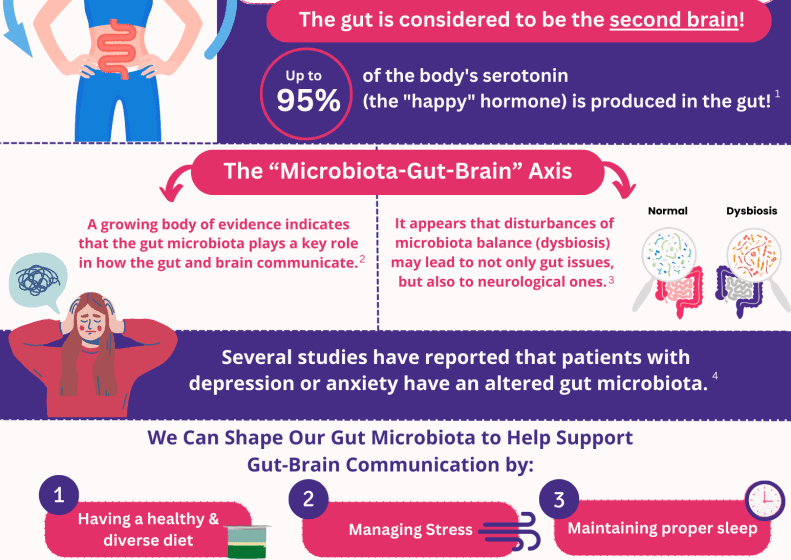
The gut’s functions extend far beyond the digestive process. It synthesizes vitamins (like K and some B vitamins), ferments indigestible fibers into short-chain fatty acids (SCFAs) like butyrate, acetate, and propionate – crucial energy sources for our colon cells and systemic regulators of metabolism and inflammation. It stands guard against pathogens, maintaining the integrity of the gut lining, a critical barrier separating our internal environment from the external world. Crucially, the gut is in constant, bidirectional communication with the brain via the "gut-brain axis," a complex network involving the vagus nerve, endocrine system, immune system, and direct microbial metabolites. This intricate dialogue means that what happens in the gut doesn’t stay in the gut; its reverberations are felt throughout the entire organism, including, as we shall explore, in the delicate dance of desire.
Decoding Sex Drive: More Than Just Hormones
Before connecting the dots, it’s essential to define sex drive, or libido, beyond a simplistic hormonal equation. While sex hormones like testosterone (in both men and women) and estrogen are undoubtedly critical, libido is a multi-layered construct involving:
- Desire (Motivation): The psychological urge or inclination for sexual activity, often linked to pleasure, reward, and connection. This involves neurotransmitters like dopamine and serotonin.
- Arousal (Physiological Response): The body’s physical readiness for sex, involving increased blood flow to genitals, lubrication, and nerve sensitivity. Nitric oxide production and endothelial function are key here.
- Performance/Satisfaction: The ability to sustain arousal and achieve orgasm, which is influenced by energy levels, stamina, and overall physiological well-being.
- Emotional and Mental Well-being: Stress, anxiety, depression, body image, and relationship quality significantly impact all aspects of libido.
A robust sex drive, therefore, requires a harmonious interplay of adequate hormone levels, responsive neural pathways, efficient cardiovascular function, ample energy, and a positive mental and emotional state. When any of these components falter, libido often suffers. It is within this complex framework that the gut’s subtle, yet profound, influence begins to emerge.
The Intersections: Where Gut Meets G-Spot (and Beyond)
The connection between gut health and sex drive is not a single, direct pipeline but rather a sophisticated web of interconnected biological pathways. The gut doesn’t directly produce sex hormones, but its health significantly impacts their regulation, metabolism, and the overall physiological environment necessary for desire and arousal.
A. Hormonal Harmony and Discord: The Gut as an Endocrine Modulator
Our gut microbiome is a master of biochemical transformations, and its influence on our endocrine system, particularly sex hormones, is profound.
-
Testosterone – The Fuel of Desire: While primarily produced in the testes and adrenal glands (and ovaries in women), testosterone levels are influenced by several gut-mediated factors.
- Precursor Metabolism: The gut microbiome can influence the absorption and metabolism of cholesterol, a precursor to all steroid hormones, including testosterone. A healthy gut ensures efficient nutrient uptake, providing the building blocks for hormone synthesis.
- Inflammation and Stress: Chronic systemic inflammation, often stemming from gut dysbiosis (an imbalance in gut microbiota), is a known suppressor of testosterone production. The body, perceiving a threat, prioritizes survival over reproduction, shunting resources towards immune defense and stress hormone production (cortisol) at the expense of anabolic hormones like testosterone. Elevated cortisol, triggered by the HPA axis (hypothalamic-pituitary-adrenal axis), can directly inhibit testosterone synthesis.
- Enterohepatic Recirculation: Some testosterone metabolites are conjugated in the liver and excreted into the bile, then reabsorbed in the gut. The gut microbiome can deconjugate these metabolites, influencing their reabsorption and overall circulating levels. Dysbiosis can disrupt this delicate balance.
-
Estrogen and The Estrobolome: Perhaps one of the most direct and fascinating connections lies in the gut’s influence on estrogen metabolism. The "estrobolome" refers to the collection of gut microbes capable of metabolizing estrogens.