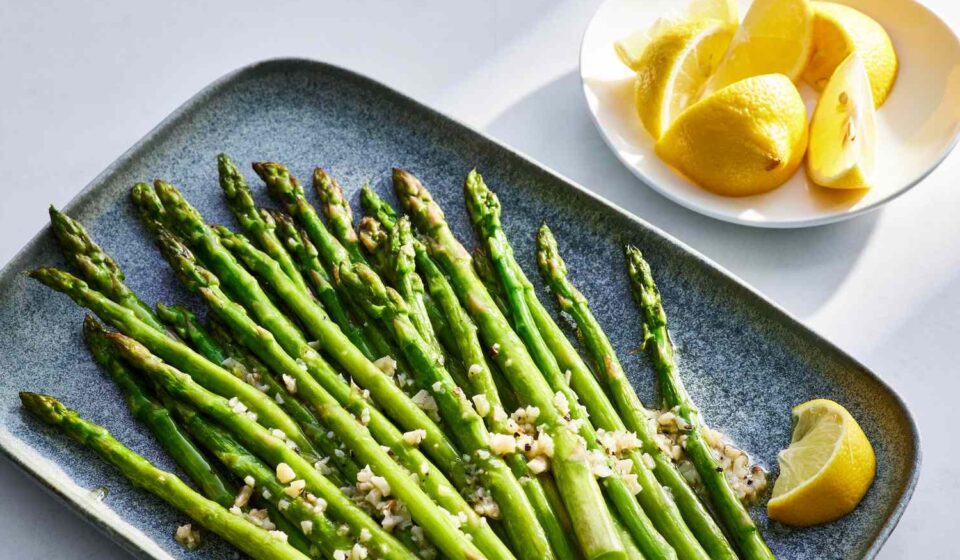

In the quiet transition from winter’s dormancy to spring’s vibrant awakening, a singular emerald spear emerges from the soil, heralding the bounty of the new season. This unassuming stalk, often celebrated for its delicate flavor and crisp texture, carries within its slender form a nutritional tapestry so rich and complex that it transcends the mere definition of a vegetable, ascending to the revered status of a superfood. Asparagus, Asparagus officinalis, is not just a culinary delight; it is a testament to nature’s profound capacity to package potent health benefits into an elegant, edible package.
For millennia, this verdant perennial has graced tables and apothecaries alike, its story interwoven with human civilization. From ancient Egyptian hieroglyphs depicting its cultivation to the philosophical musings of Greek physicians and the elaborate banquets of Roman emperors, asparagus has consistently been recognized for both its gustatory pleasure and its perceived medicinal properties. Yet, it is only in recent decades, through the lens of modern nutritional science, that we have truly begun to unravel the depth of its biochemical brilliance. This is the story of asparagus, not merely as a food, but as a nutritional marvel, a green spear packed with an arsenal of compounds poised to fortify and rejuvenate the human body.
A Tapestry of Time: Asparagus Through the Ages
Our journey into the superfood status of asparagus must first acknowledge its storied past. The earliest records of asparagus cultivation trace back over 4,500 years to ancient Egypt, where it was offered to the gods and enjoyed by pharaohs. The Greeks, particularly Hippocrates, lauded its diuretic properties, while the Romans, with their sophisticated agricultural techniques, cultivated it extensively, even devising methods to freeze it in the Alps for later consumption – a testament to its prized status. Apicius, the celebrated Roman gourmand, included a recipe for asparagus in his first-century cookbook, "De Re Coquinaria," indicating its consistent presence in elite cuisine.
During the Middle Ages, asparagus cultivation waned somewhat in Europe, often confined to monastery gardens for medicinal purposes. However, it experienced a grand resurgence during the Renaissance, particularly in France, where King Louis XIV, known as the "Sun King," was so enamored by it that he ordered special greenhouses to cultivate it year-round, earning it the moniker "the food of kings." From there, its popularity spread, reaching the Americas in the 17th century. This enduring appeal, spanning continents and centuries, hints at an inherent value that goes beyond mere taste. It suggests a subconscious recognition of its revitalizing qualities, long before the advent of chromatography or mass spectrometry could reveal its hidden treasures.
The Nutritional Symphony: Deconstructing the Spear’s Power
To understand why asparagus earns its superfood title, we must delve into its intricate nutritional composition. It is a harmonious blend of macronutrients, micronutrients, and a remarkable array of phytochemicals that work in concert to promote health.
1. The Macronutrient Foundation: Lean and Fiber-Rich
At its core, asparagus is a remarkably lean vegetable. A cup (approximately 134 grams) of cooked asparagus contains:
- Calories: A mere 27 calories, making it an excellent choice for weight management.
- Fat: Negligible, with less than 0.3 grams.
- Protein: A respectable 3 grams, offering a plant-based contribution to protein intake.
- Carbohydrates: About 5.2 grams, of which a significant portion is dietary fiber.
Dietary Fiber: The Gut’s Best Friend
The fiber content in asparagus is particularly noteworthy. A single serving provides about 2.8 grams, contributing significantly to the recommended daily intake. This fiber is a mix of soluble and insoluble types.
- Insoluble Fiber: Adds bulk to stool, aiding in regular bowel movements and preventing constipation.
- Soluble Fiber: Acts as a prebiotic, feeding beneficial gut bacteria. This is where asparagus truly shines in its role for digestive health, which we will explore further.
2. Micronutrient Marvels: A Vitamin and Mineral Powerhouse
Asparagus is not just "good"; it’s exceptionally rich in a spectrum of essential vitamins and minerals, many of which are crucial for fundamental bodily functions.
-
Vitamin K (Phylloquinone): The Bone Builder and Blood Clotter
Asparagus is an outstanding source of Vitamin K, providing over 70% of the Daily Value (DV) in just one cup. Vitamin K is vital for two primary functions:- Bone Health: It plays a critical role in bone metabolism by activating proteins like osteocalcin, which helps bind calcium to the bone matrix, improving bone density and reducing the risk of fractures. Studies suggest adequate Vitamin K intake is associated with stronger bones and a lower risk of osteoporosis.